
Location: CIHEAM Montpellier
Date: September 29–30, 2026
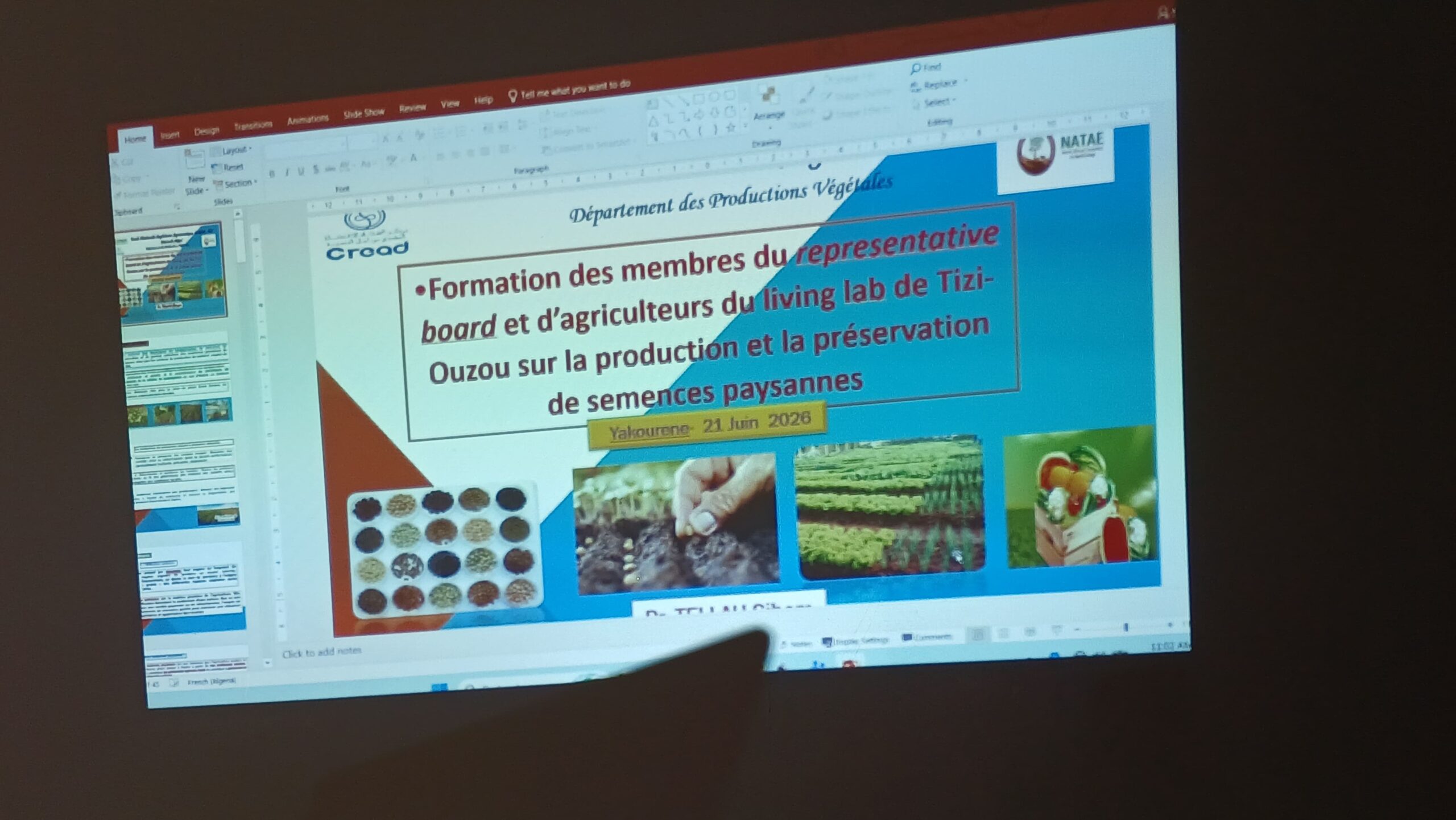
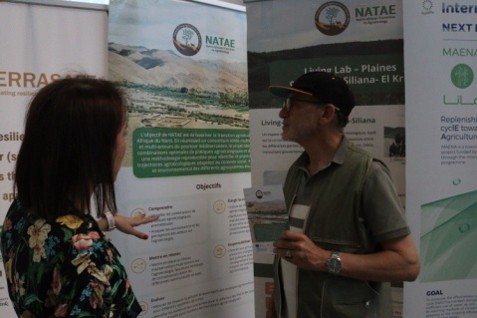
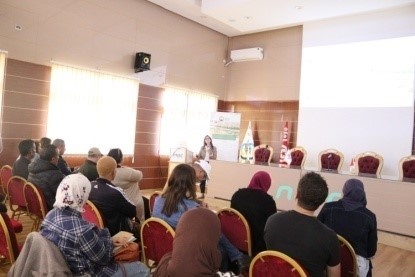
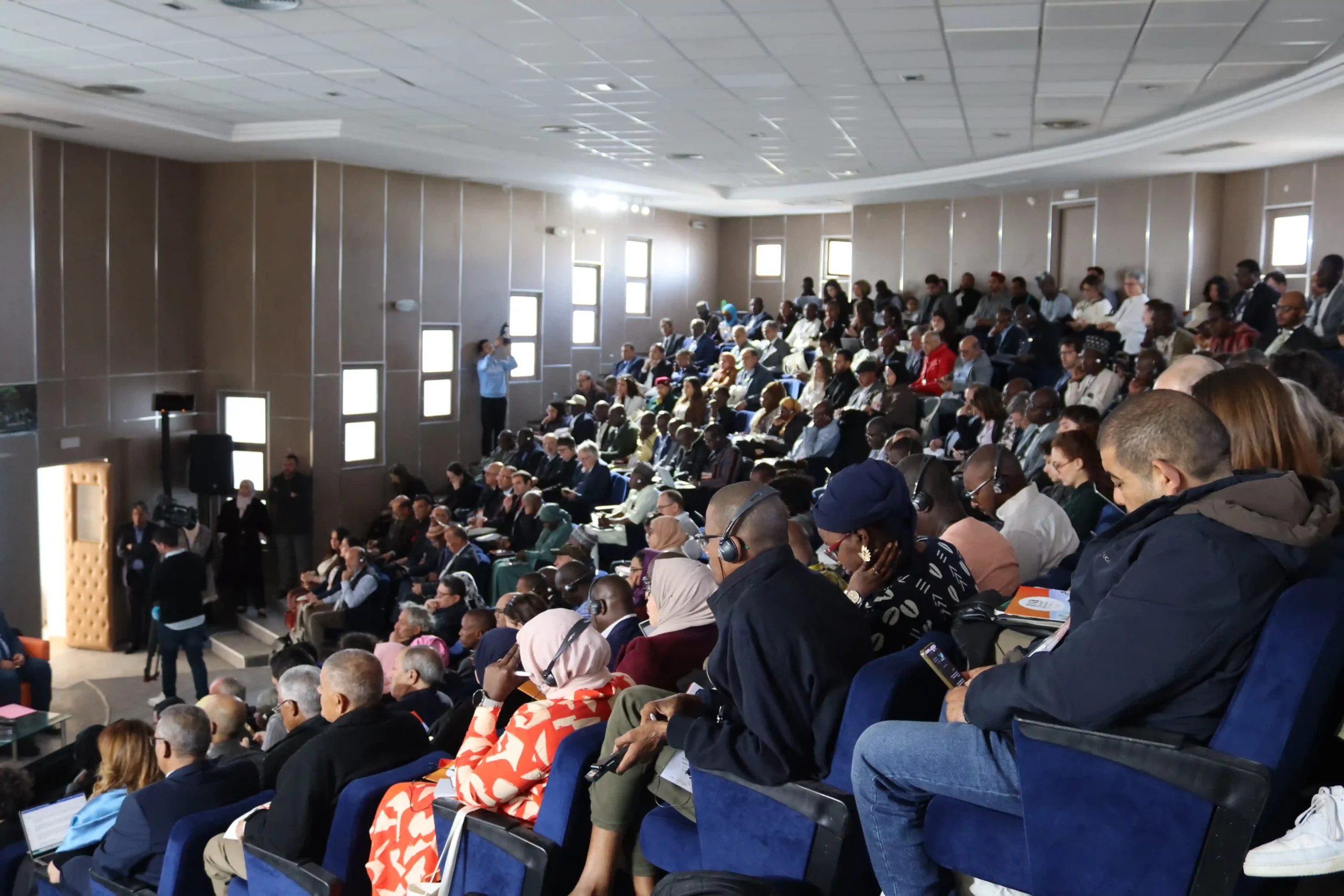
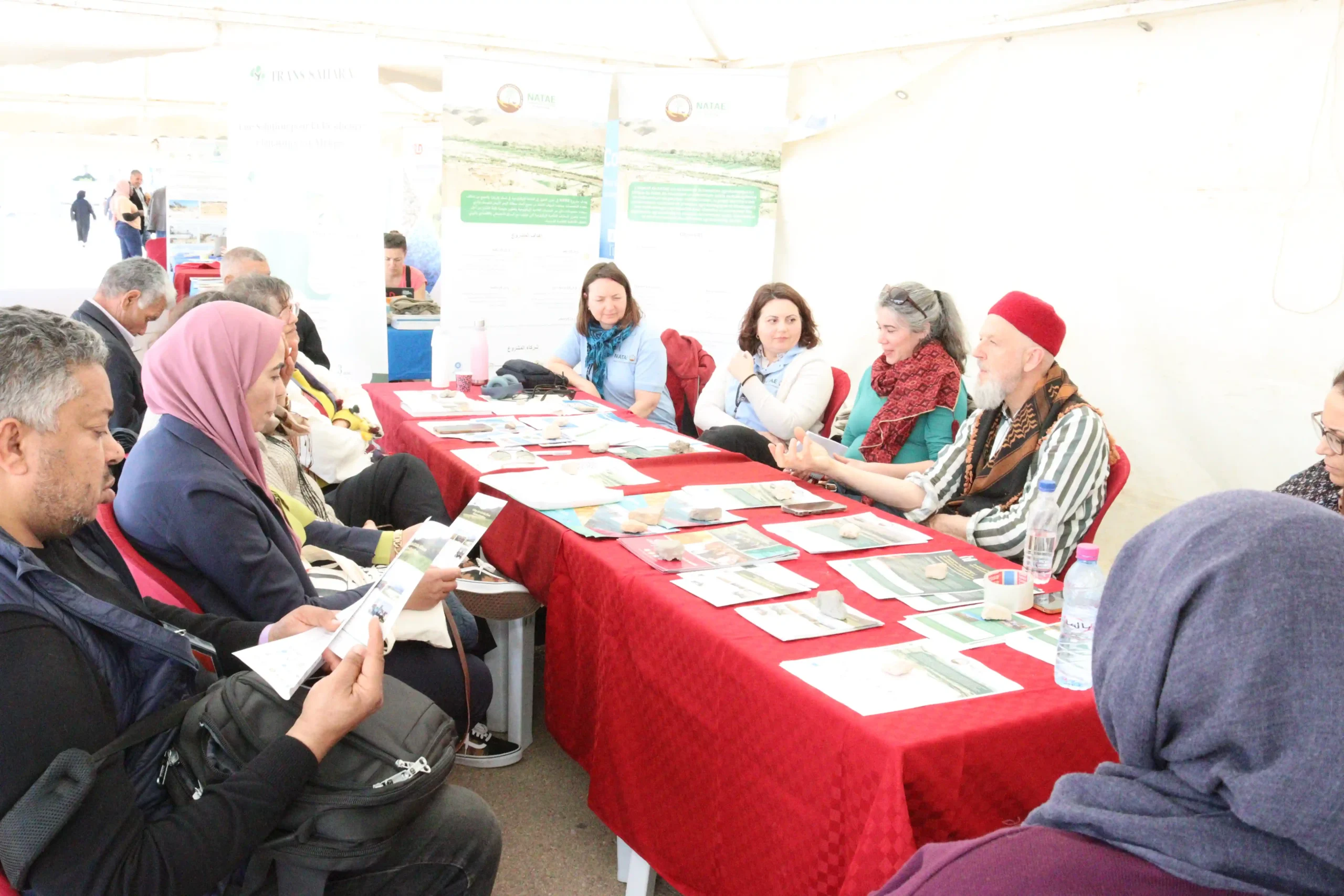
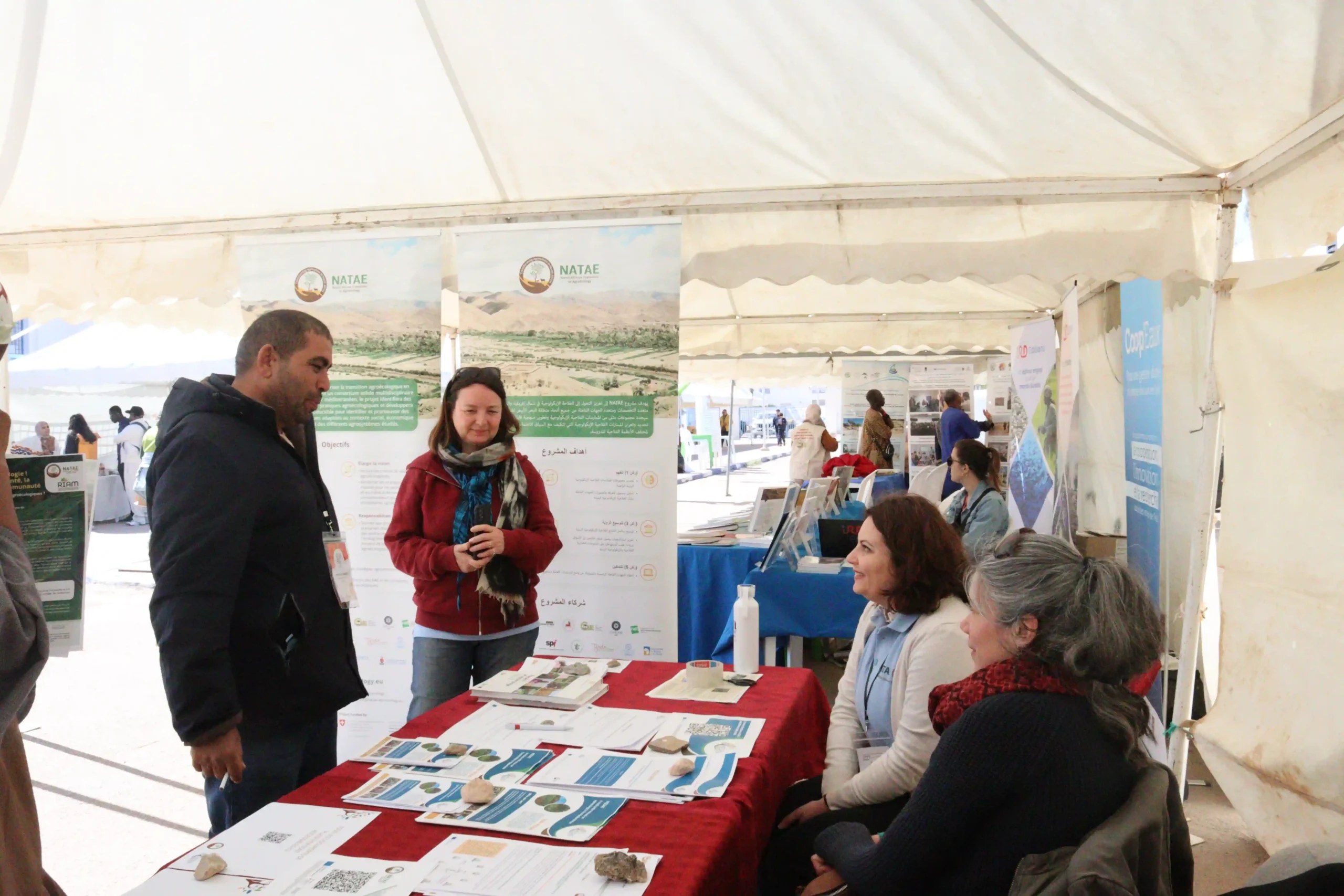
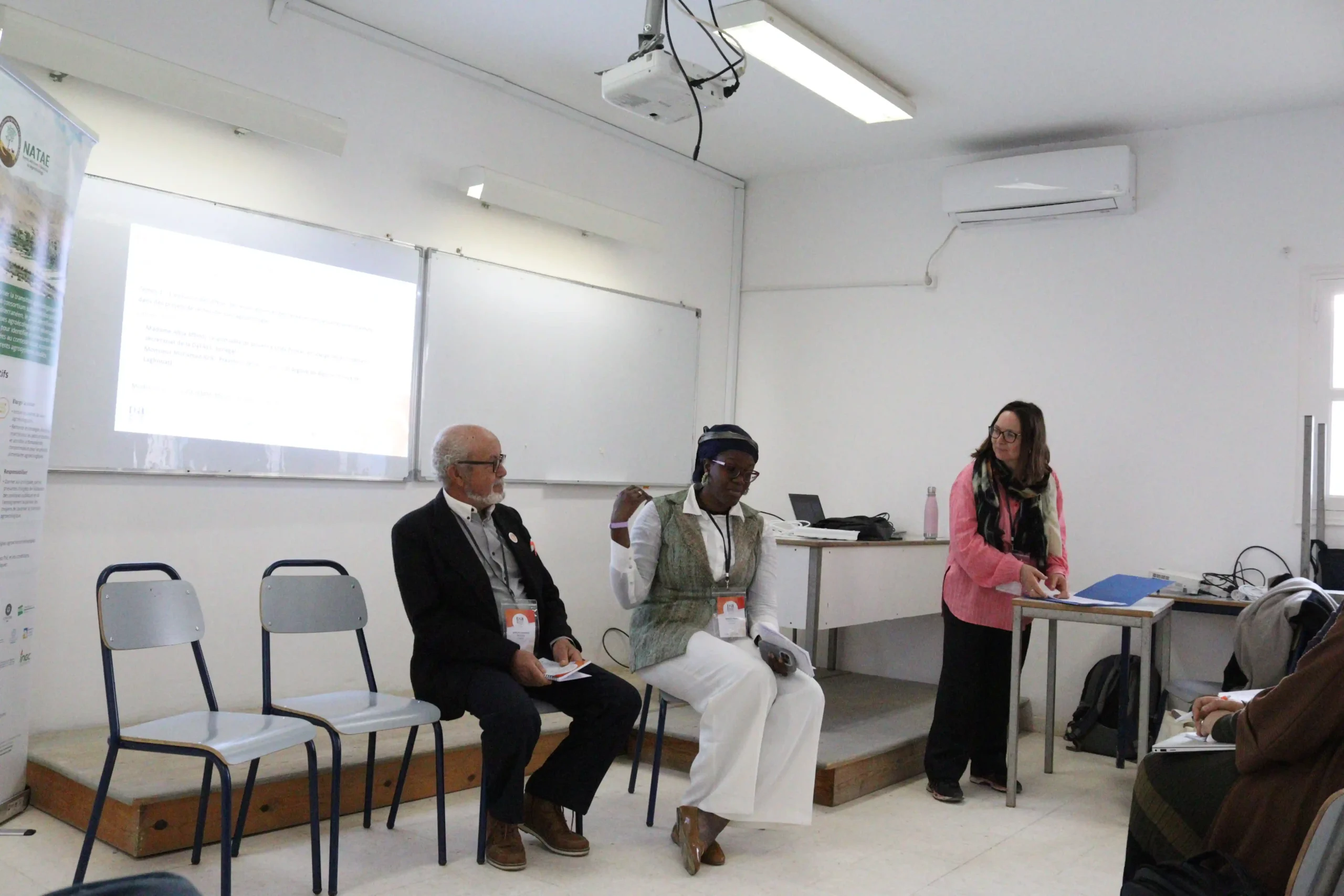
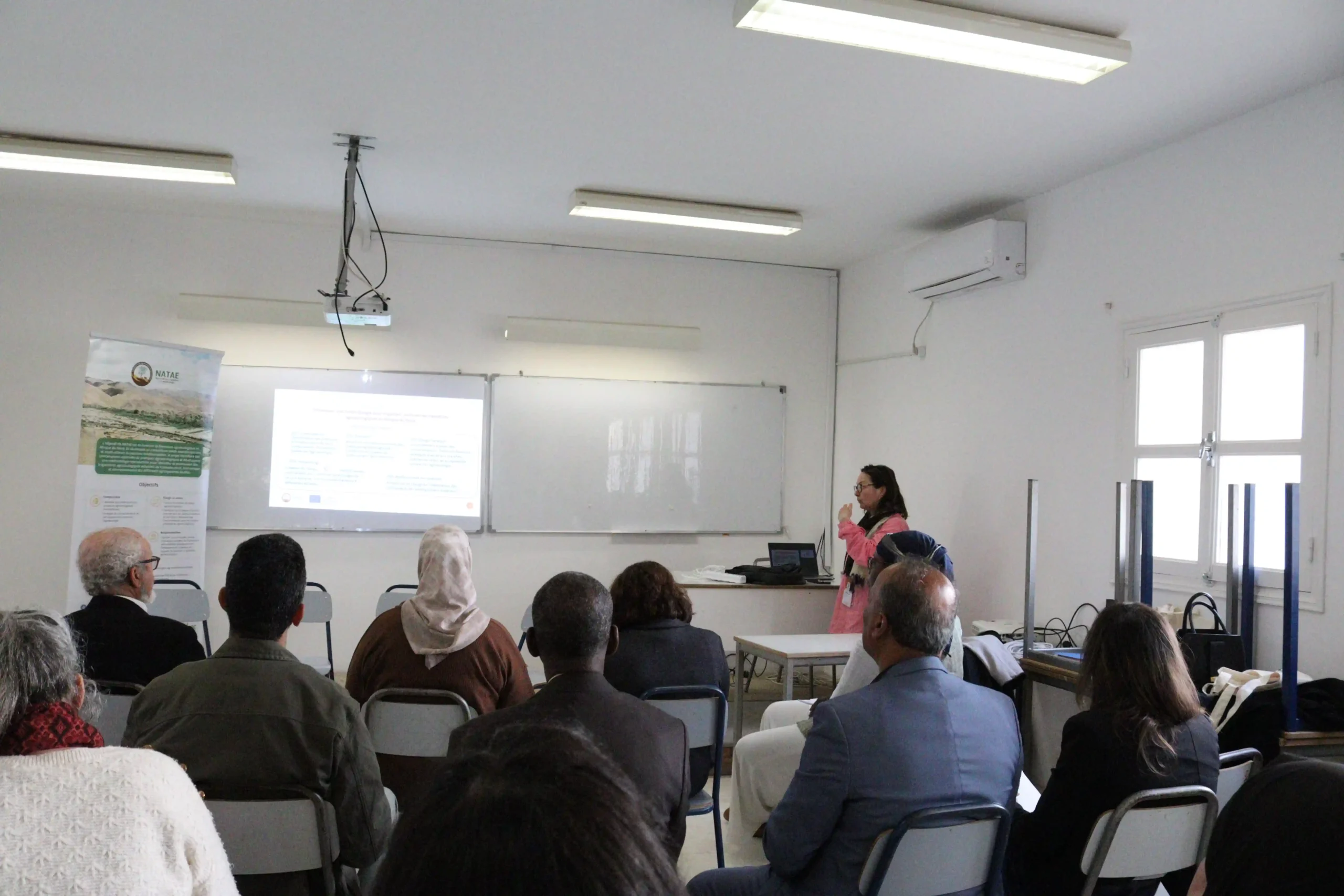
The NATAE Project, in association with the DIONYSUS Project, will host a Policy Conference titled “What scientific and political mechanisms for the future of agroecological transition in the Mediterranean region? Transdisciplinarity, assessments and scaling up” on 29–30 September 2026 at CIHEAM Montpellier.
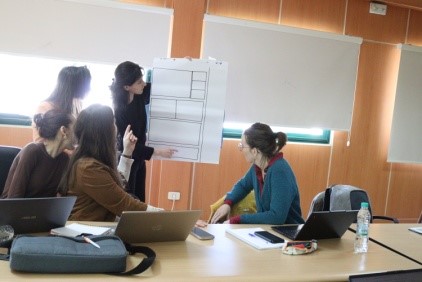
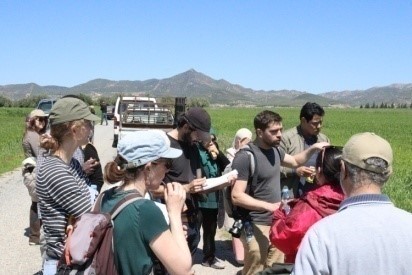
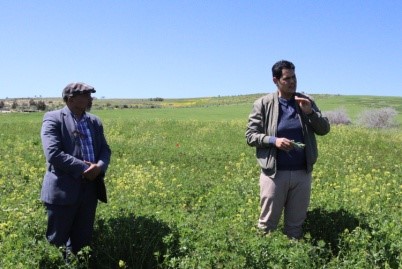
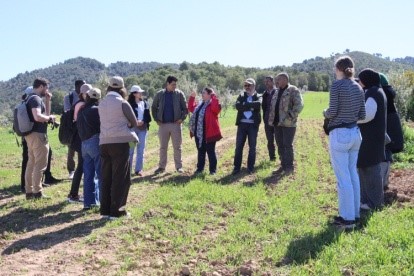
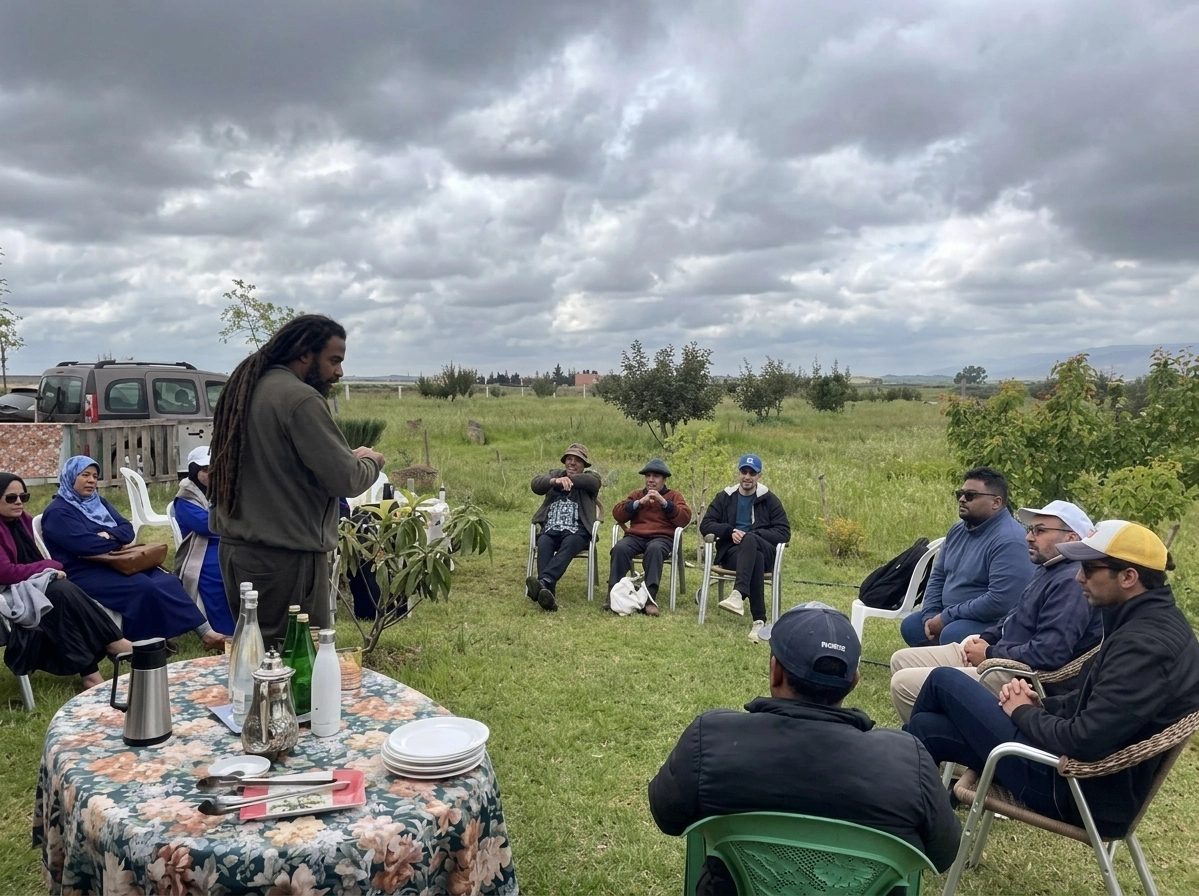
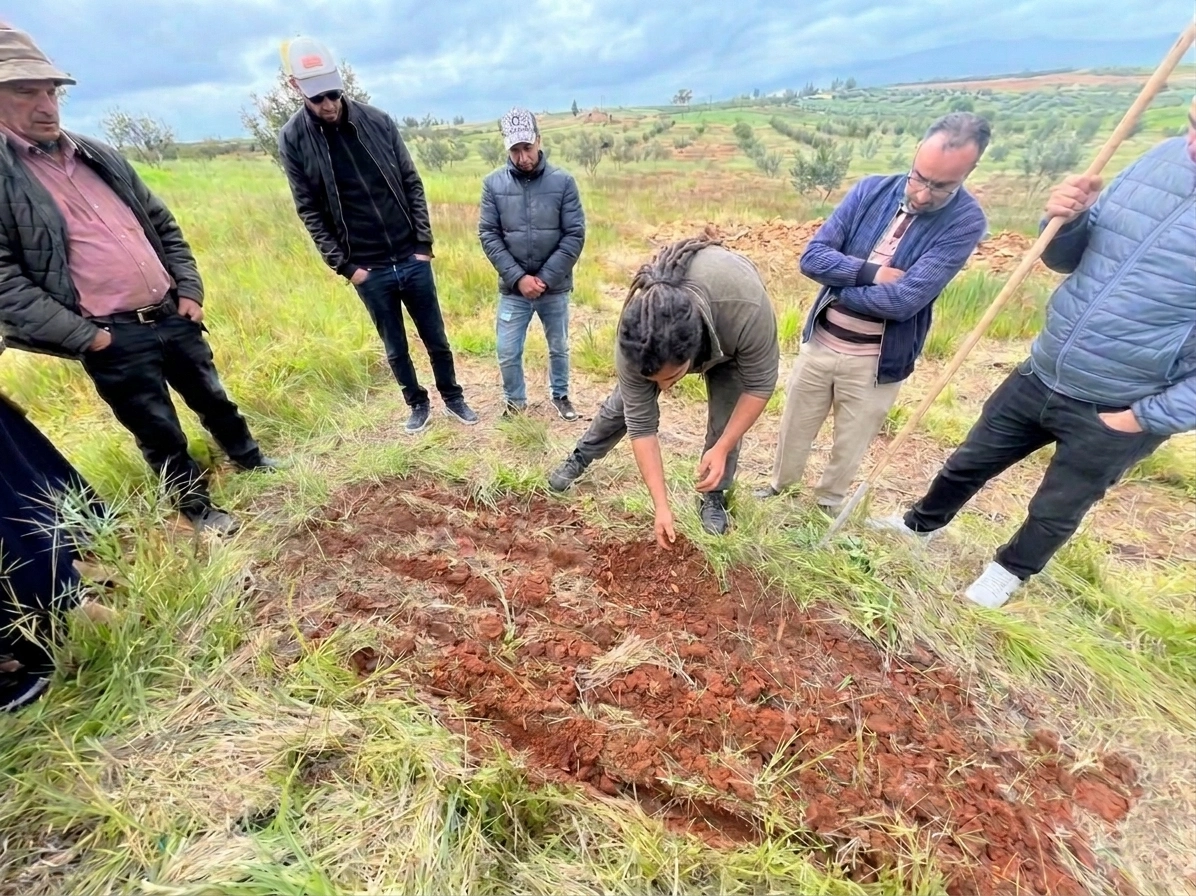
Over two days, the conference will bring together researchers, policymakers, and practitioners from across the Mediterranean and beyond, including Tunisia, Algeria, Morocco, Egypt, Mauritania, France, and Germany, to discuss multi-stakeholder approaches to agroecology, the performance and scaling-up of Living Lab methodologies, and the financing and institutional mechanisms needed to support agroecological transition at scale.
The programme includes seven thematic sessions covering topics such as food security, territorial economies, and the transition from action research to public policy, with contributions from institutions including CIHEAM-IAMM, DG-AGRI, OSS, AFD, AfDB, and multiple national ministries and universities across the region.