NATAE at Zarzis Agroecology Festival 2026

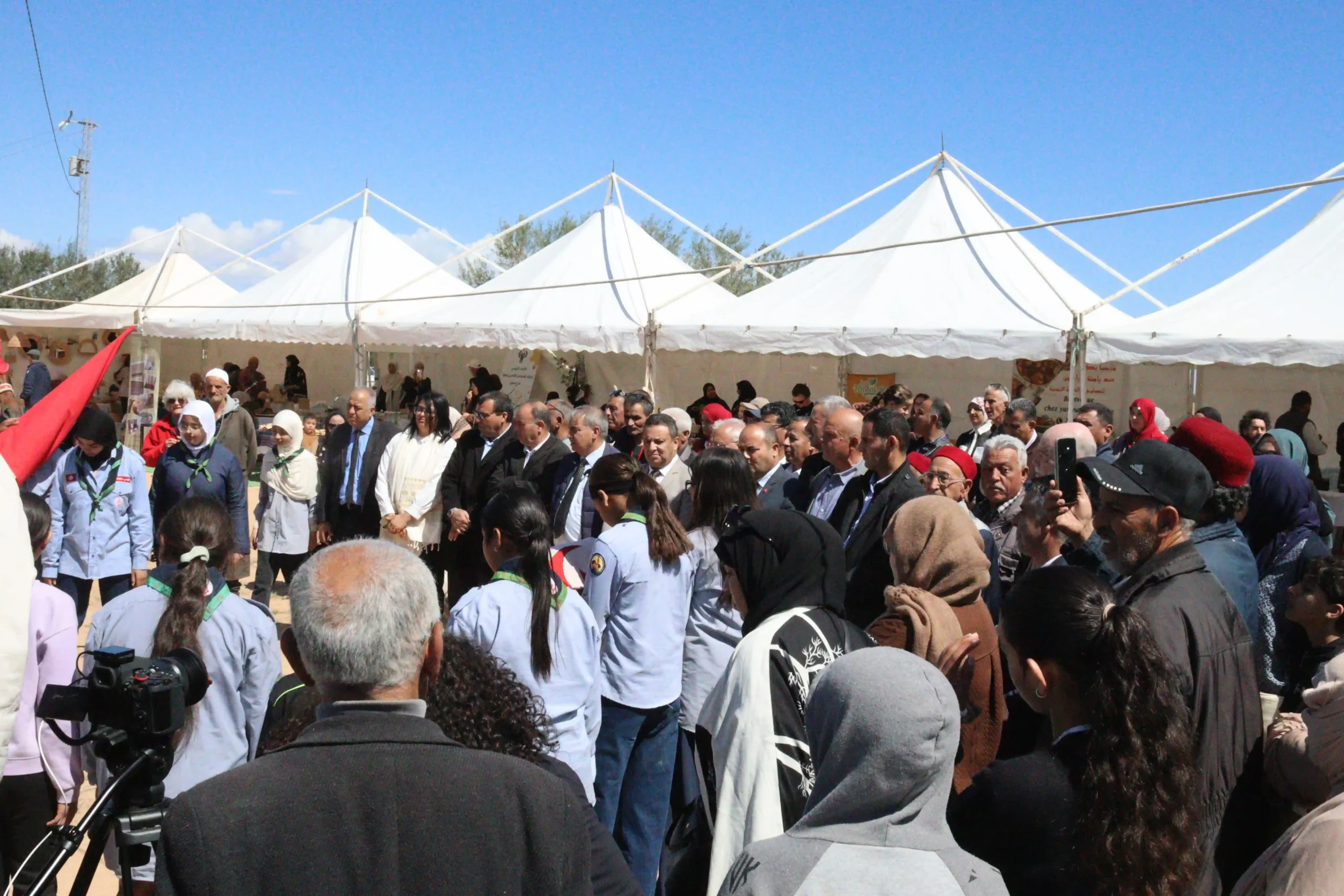
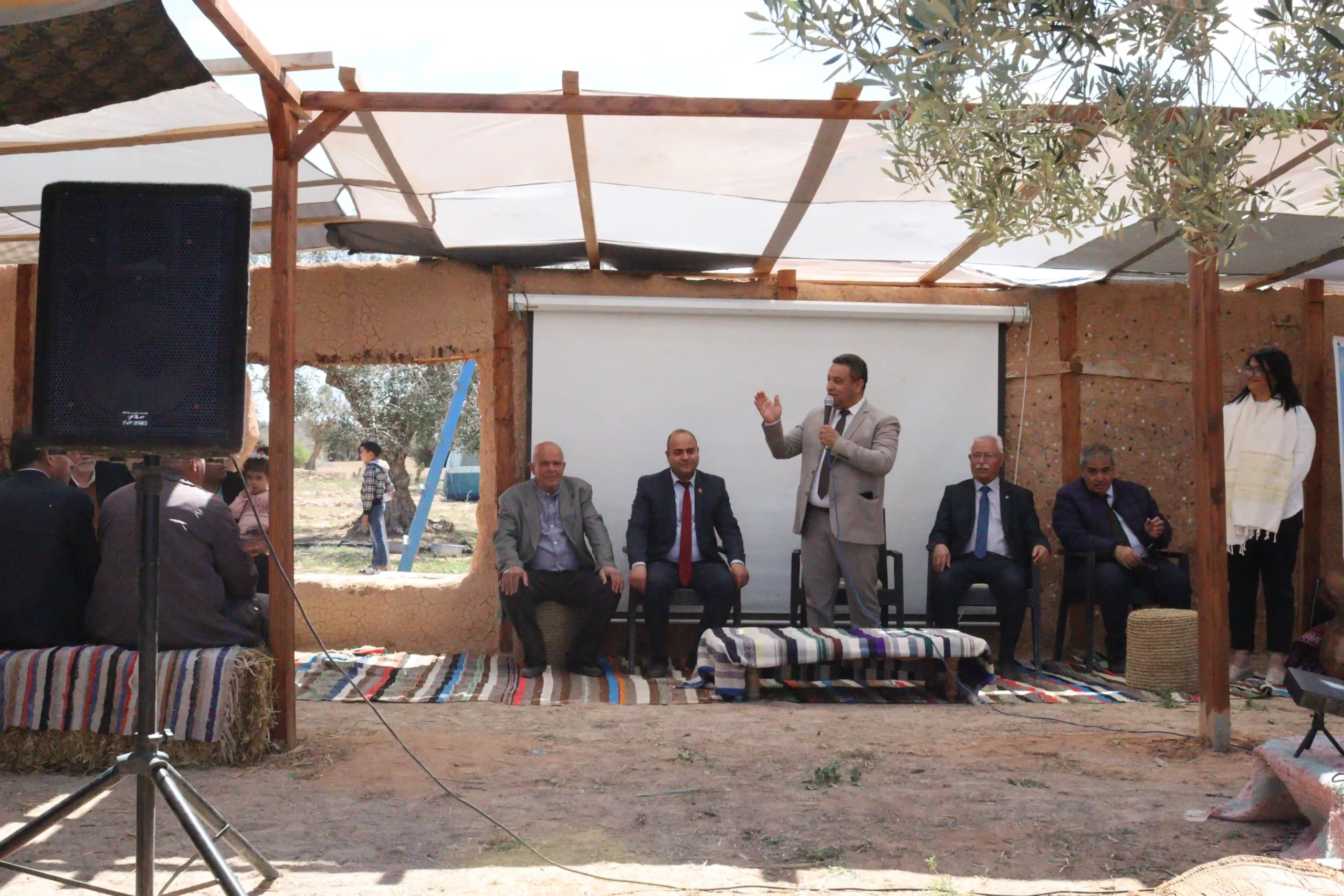
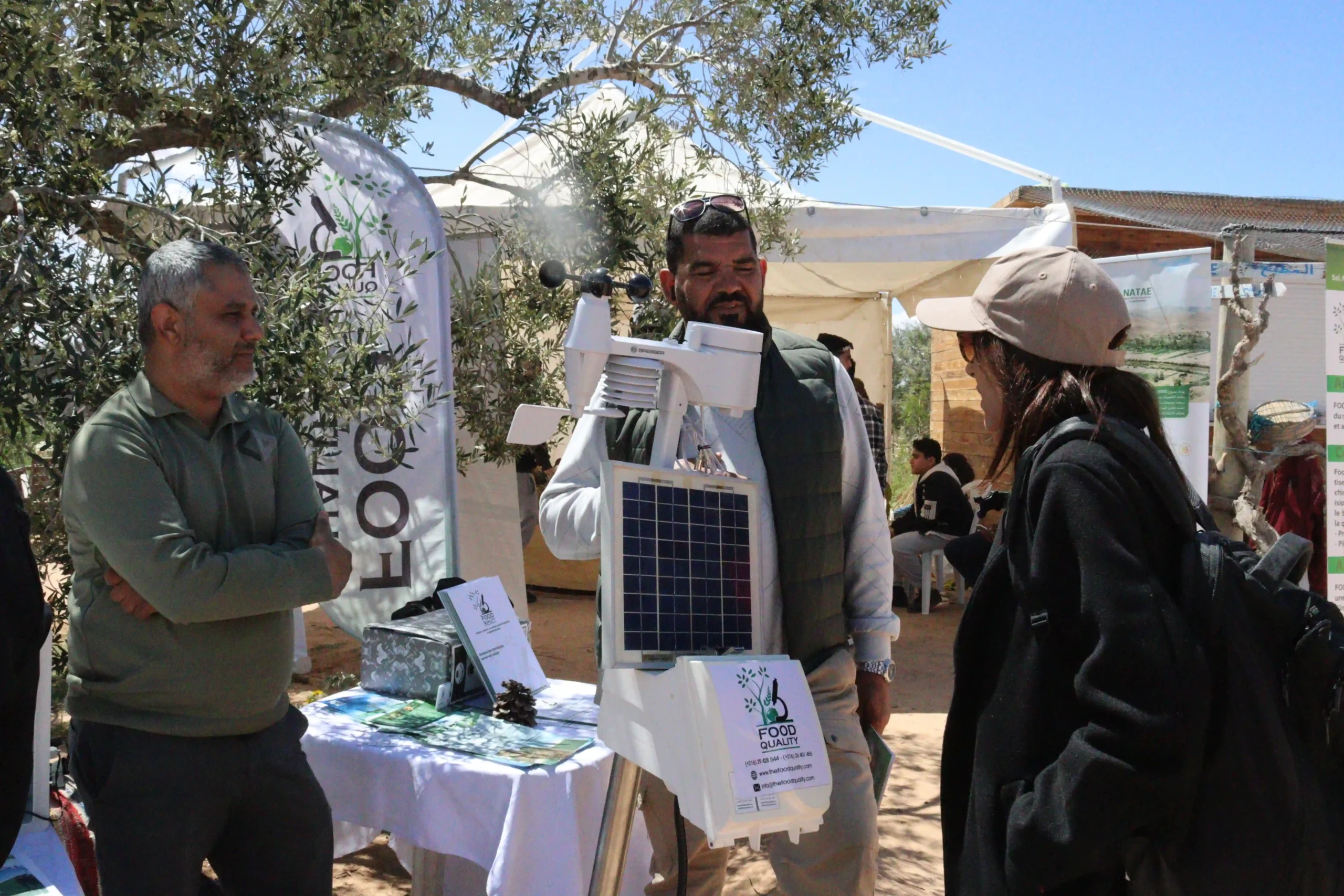
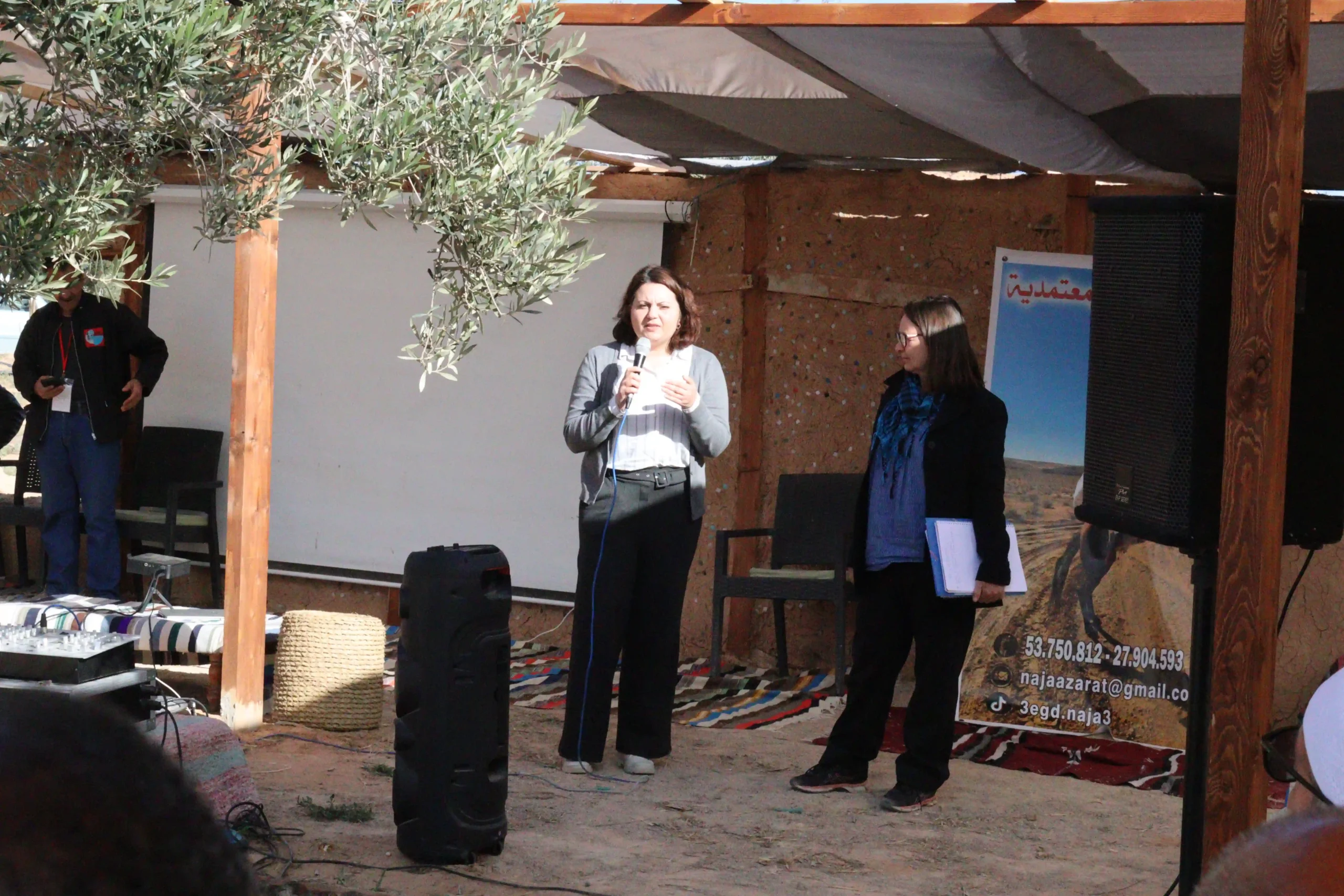
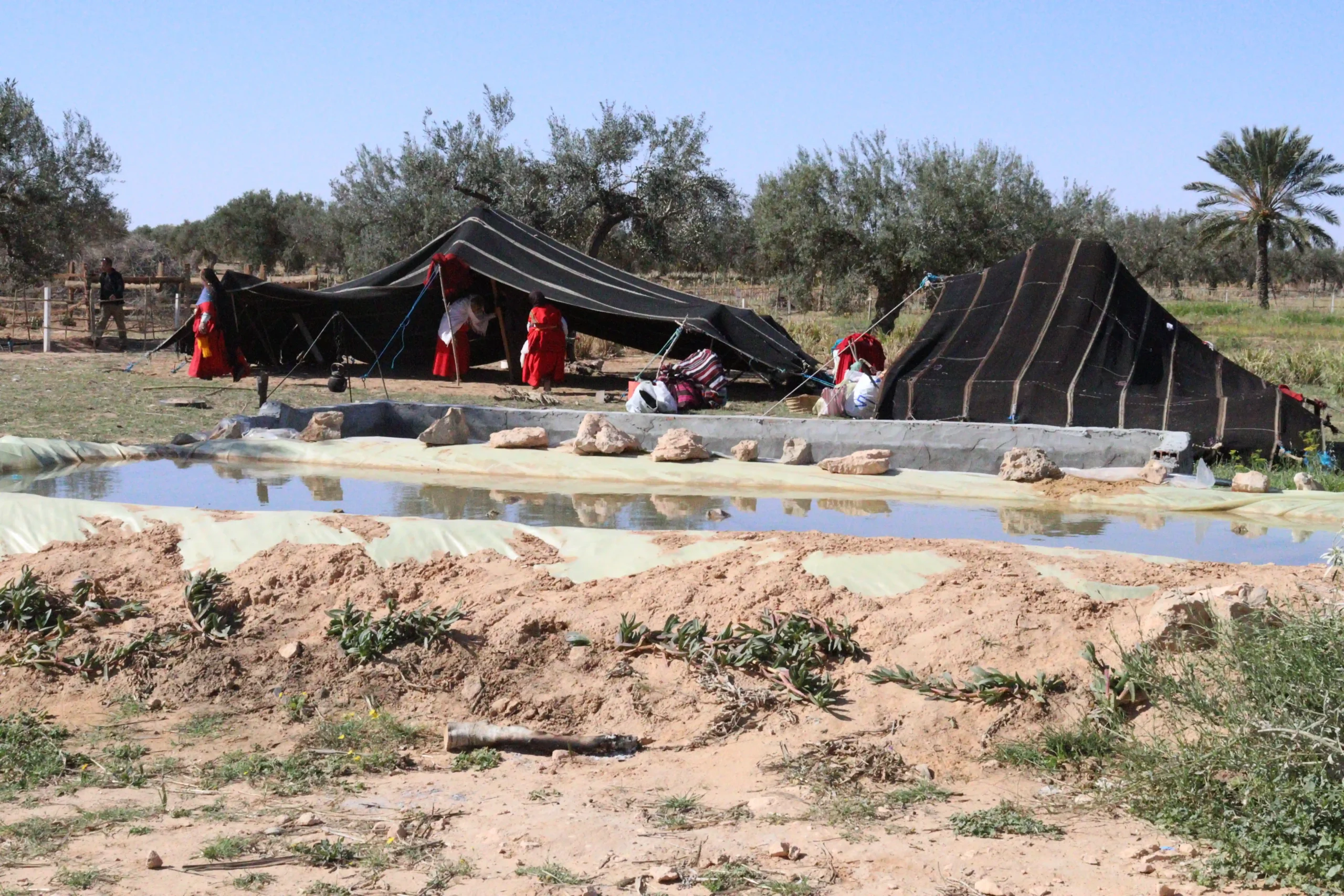
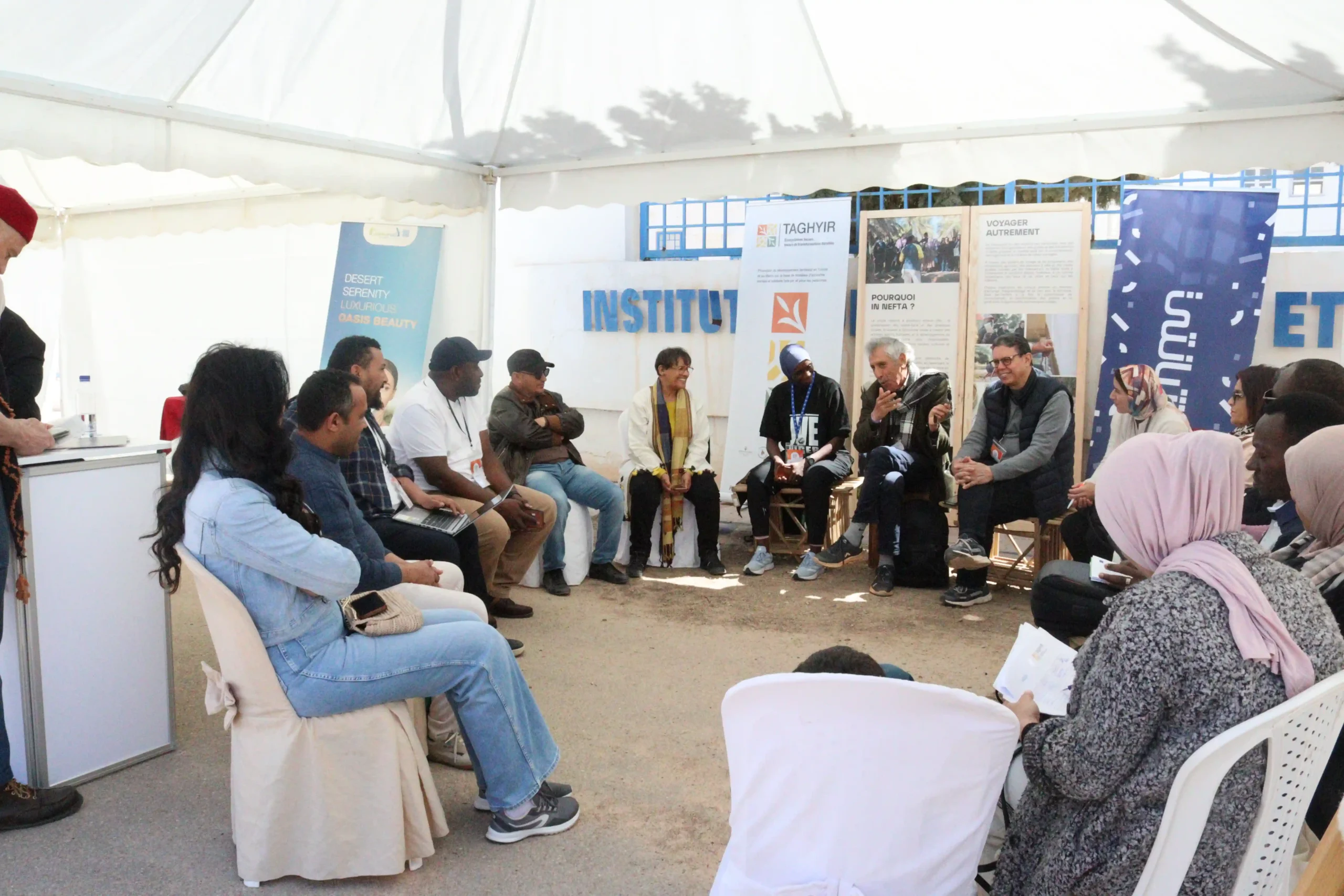
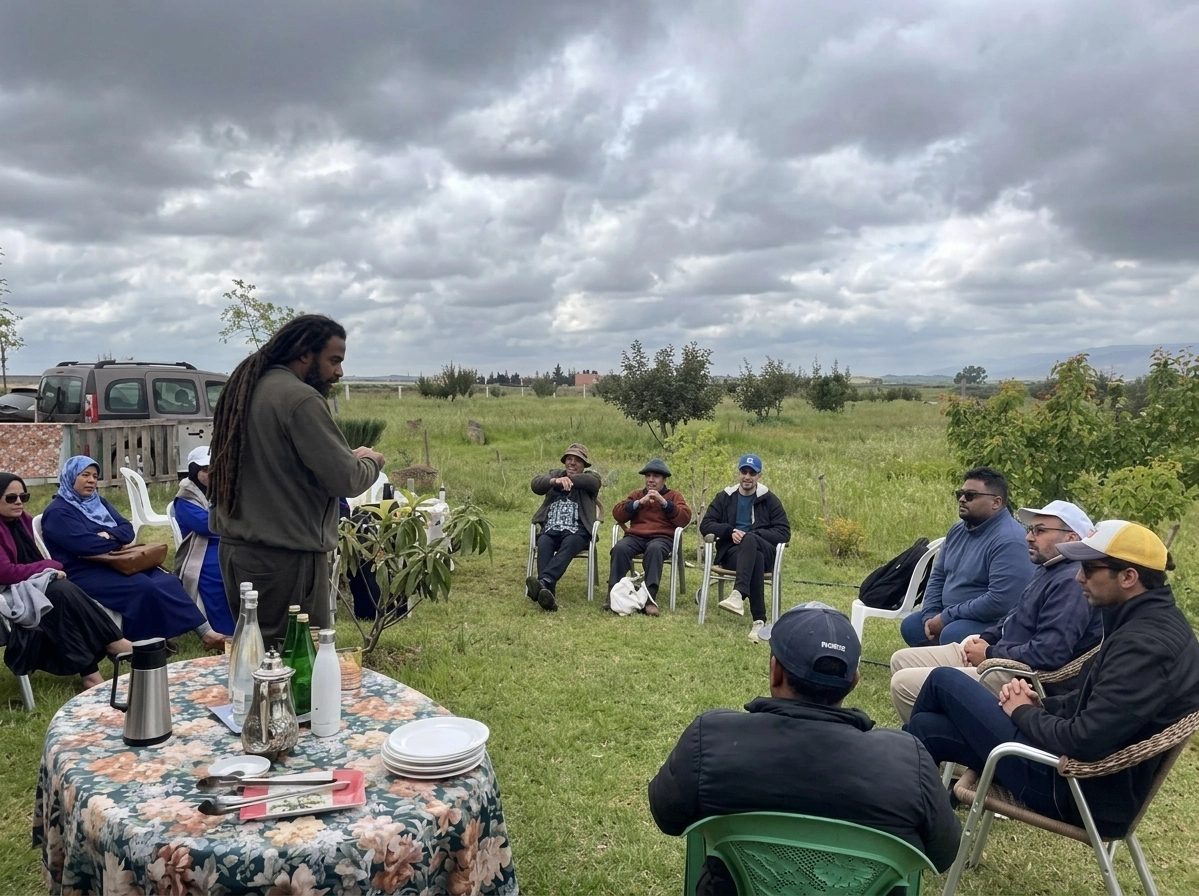
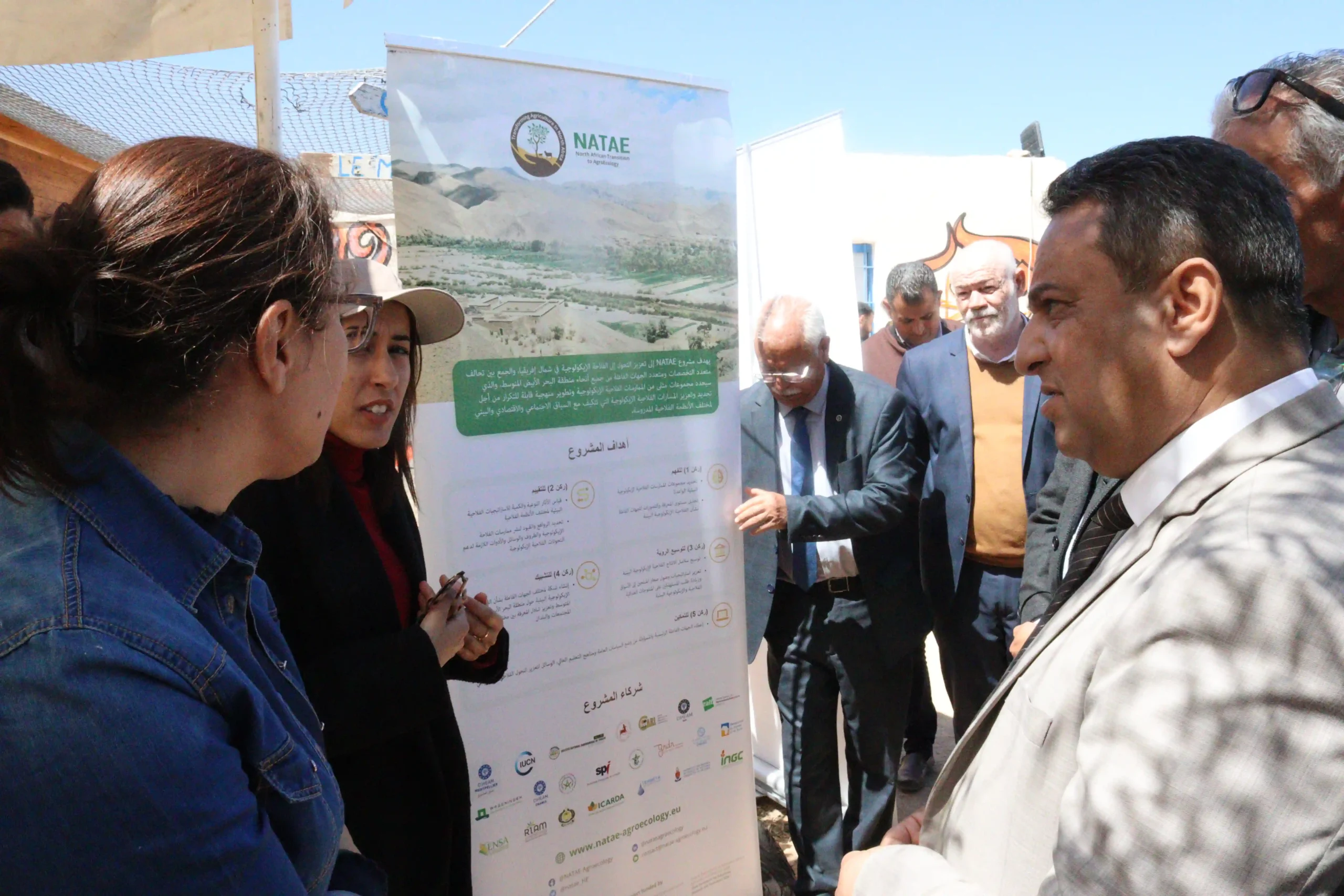
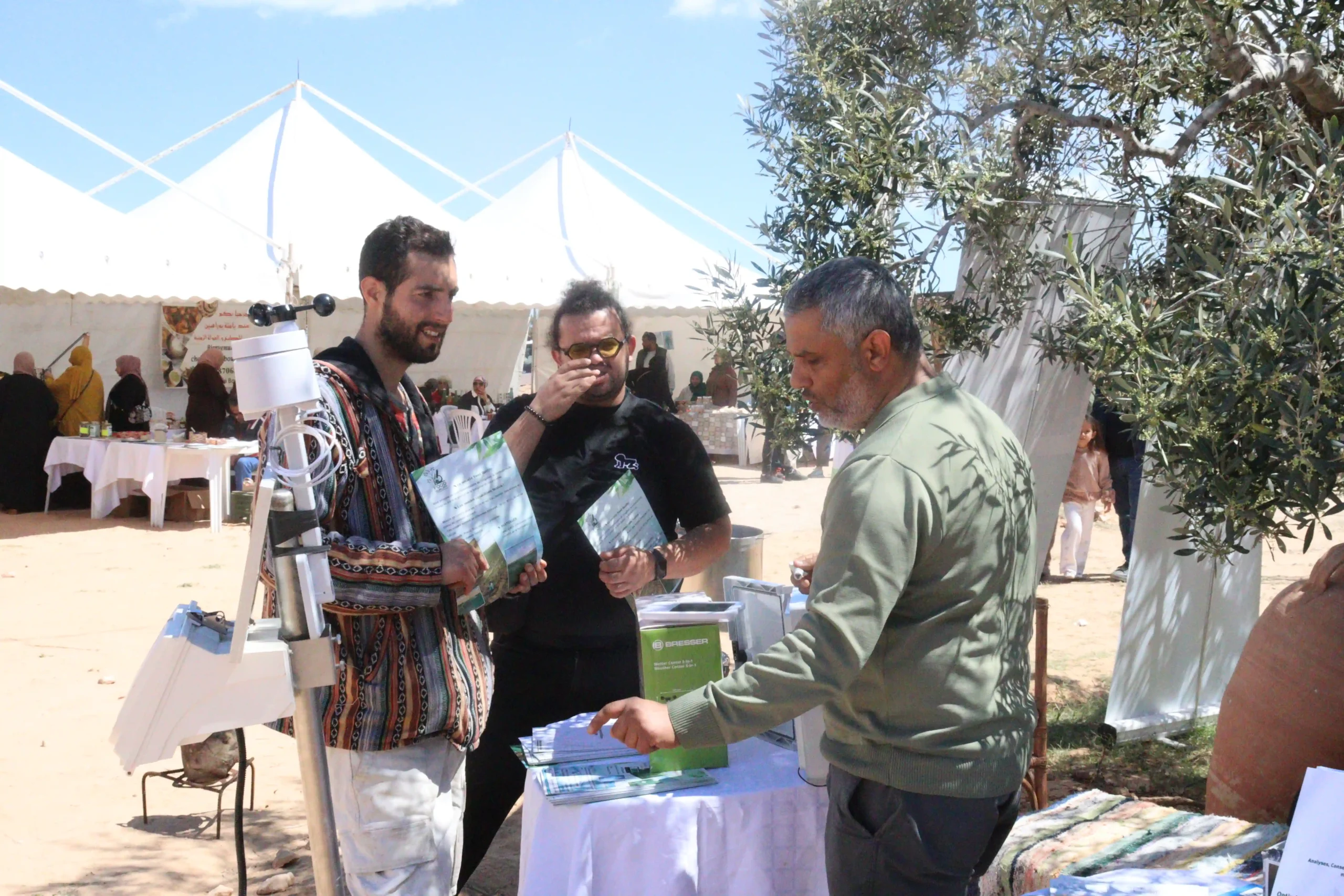
NATAE participation in the Festival of agroecology at the “El Rochen” Farm (March 29-31, 2026) in Zarzis

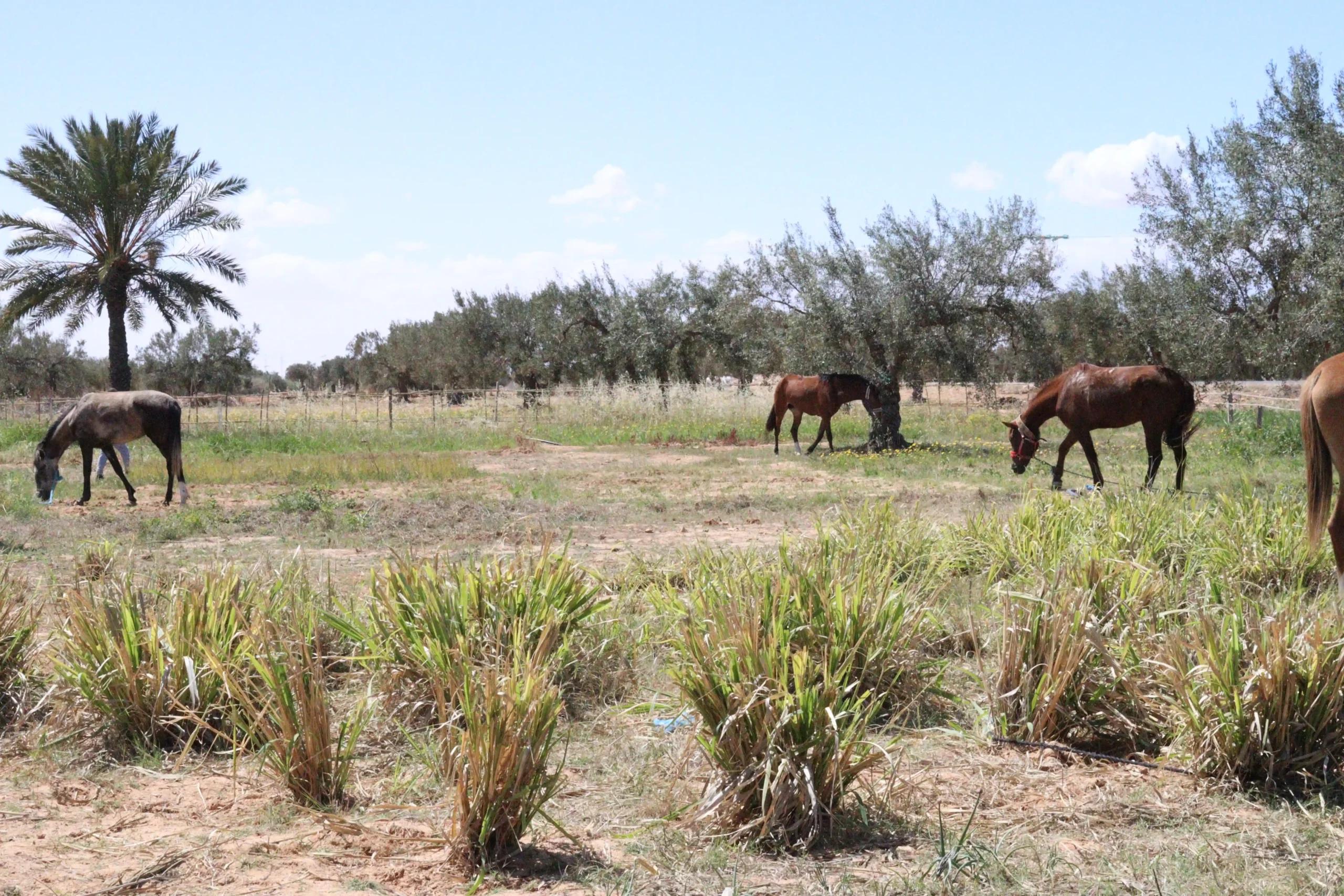
El Rochen (Zarzis south east of Tunisia) is an agroecological farm dedicated to experimentation and knowledge transfer in support of the agroecological transition in Tunisia. In collaboration with the eco-farm OMI HNIA, located in Cap Negro (North Tunisia), El Rochen co-organised the second edition of the Zarzis agroecology festival.

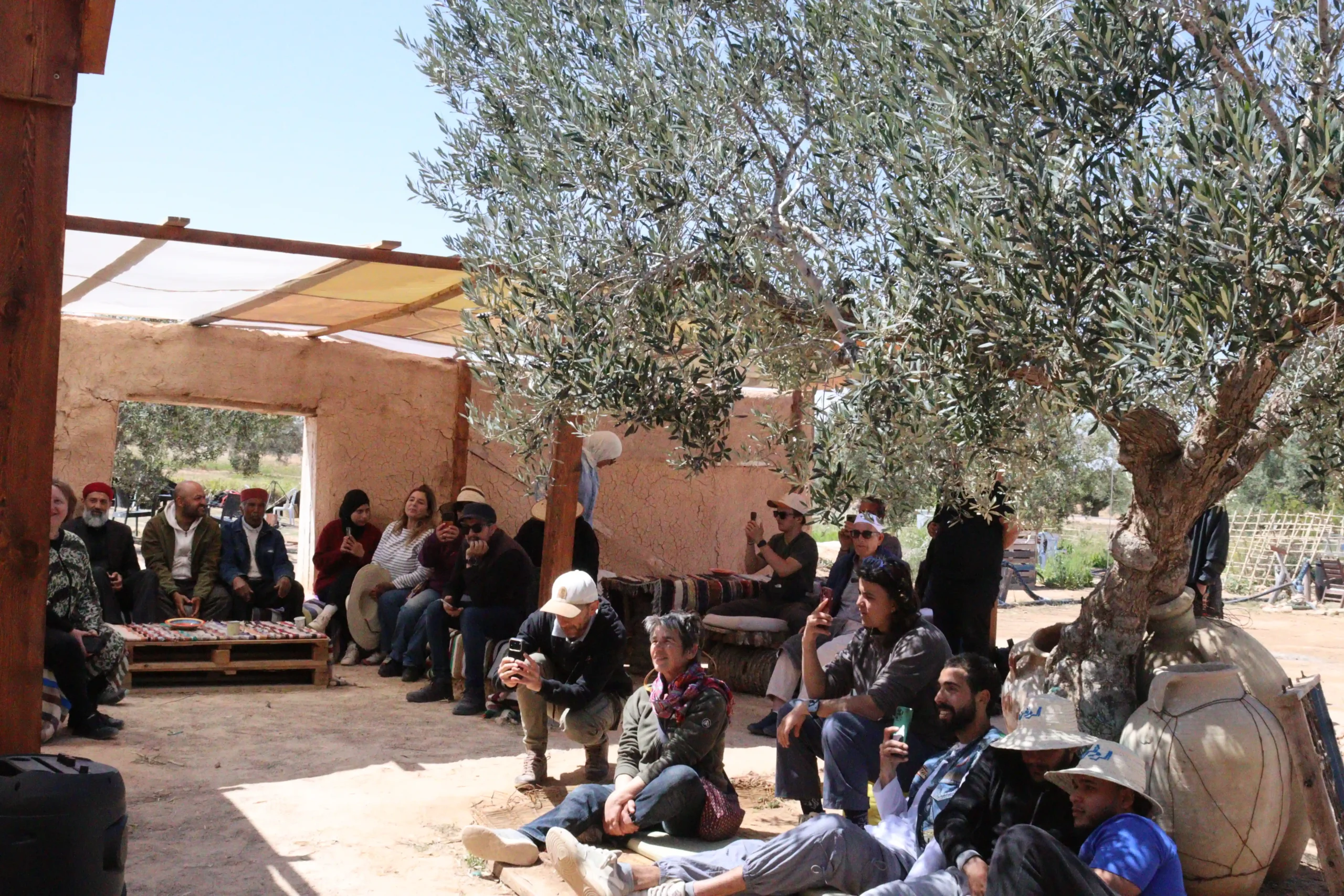
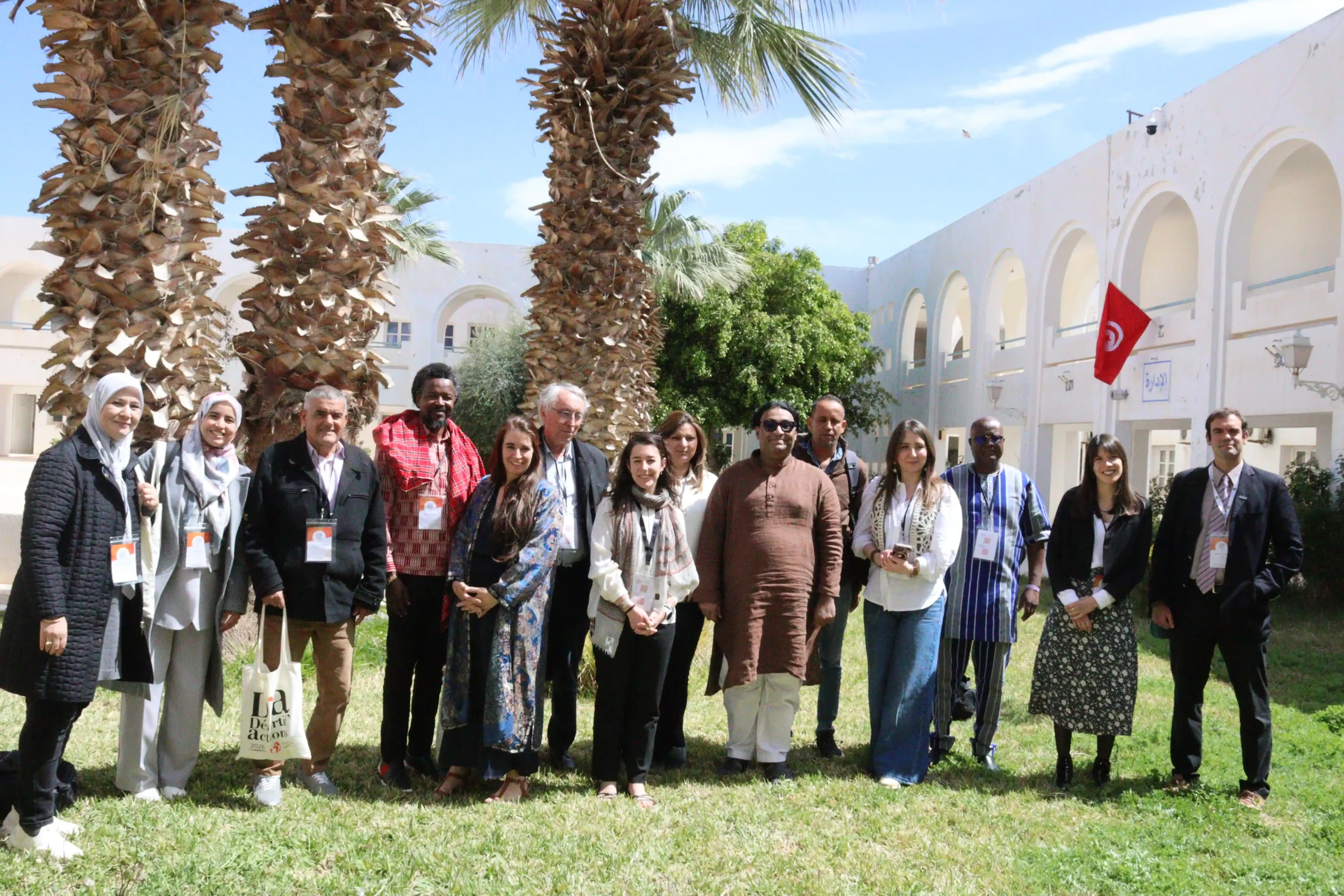
Held from March 29 to 31, 2026, the festival gathered farmers, skateholder, citizen, holders of traditional knowledge, researchers, and associations from France, Lebanon, Morocco, Palestine, Senegal and Tunisia. They engaged in discussion, sharing and exchange about knowledge and experiences on agroecology.

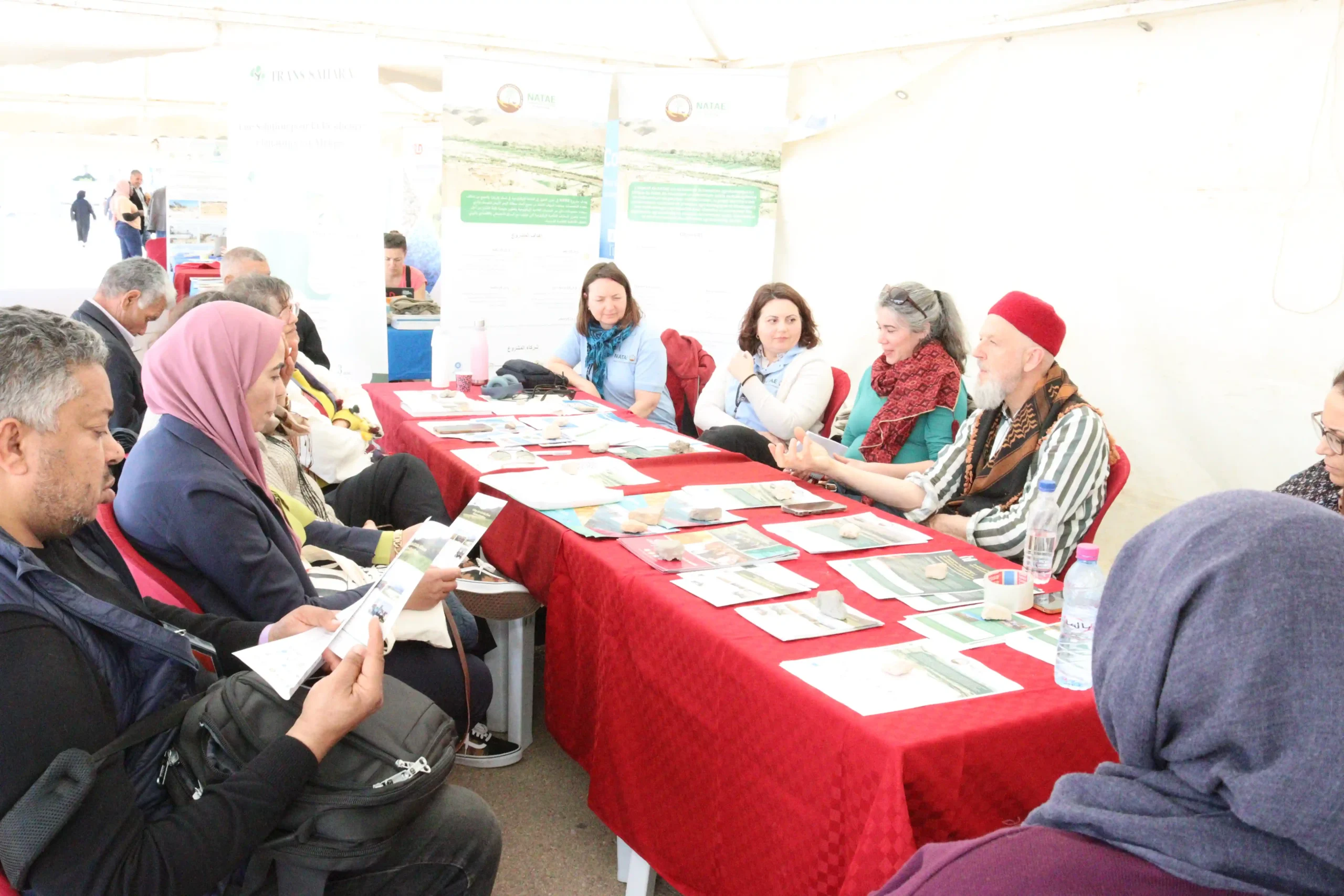
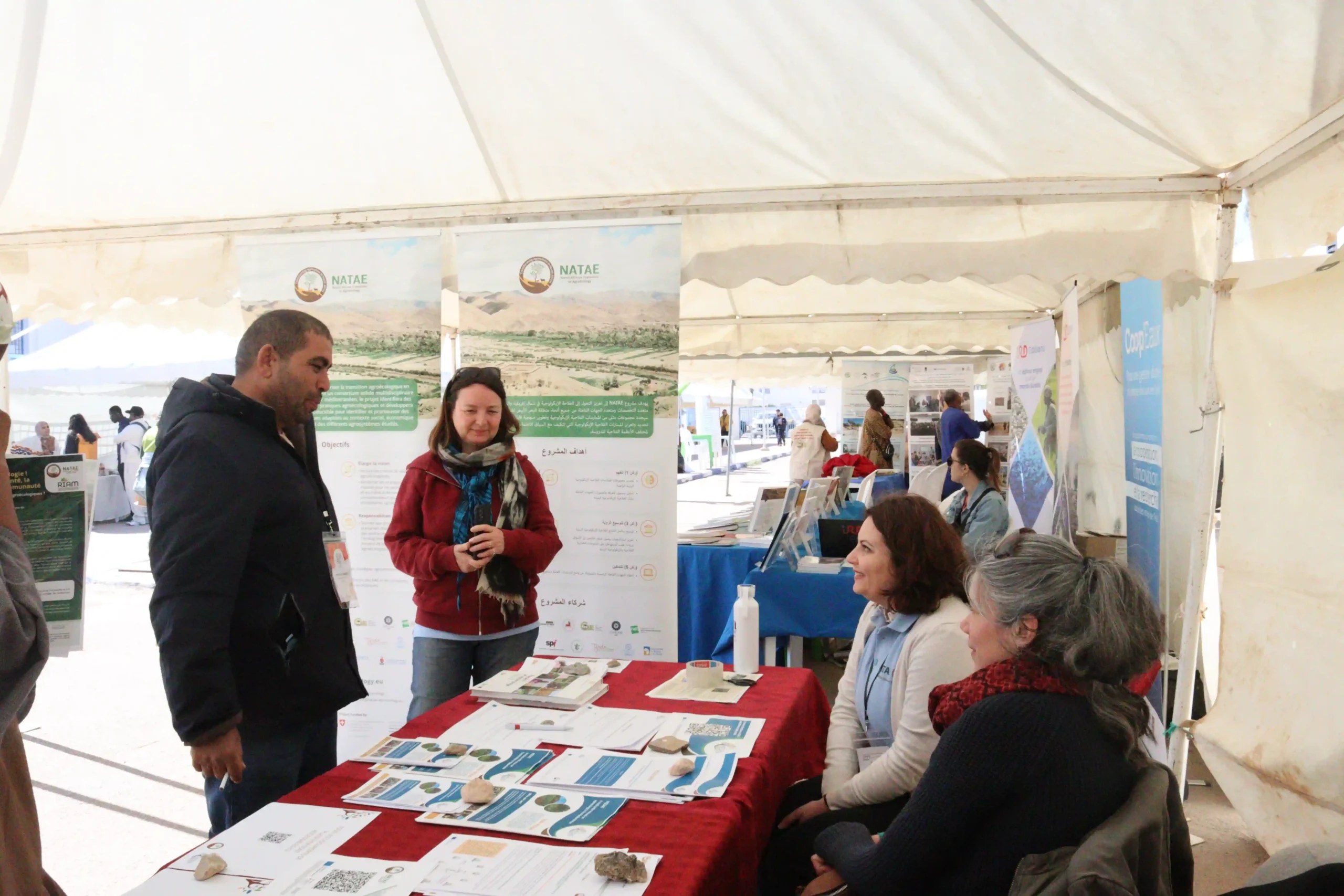
In this context, NATAE project participated by a stand during the three days and a project presentation during the second day.
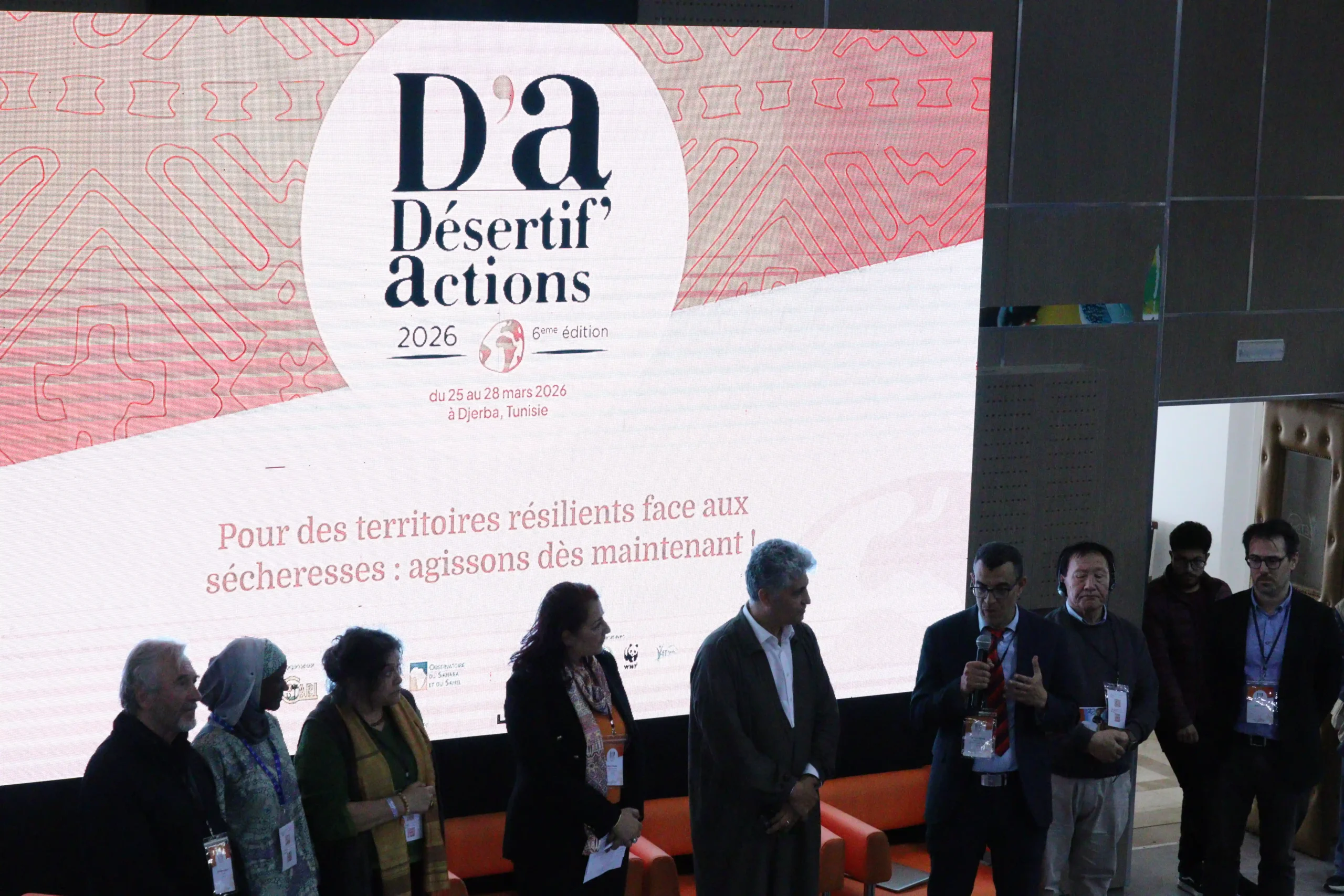
NATAE at the Heart of the 6th Desertif’action

NATAE in the heart of the 6th edition of the Desertif’action (March 25-28th, 2026) in Djerba

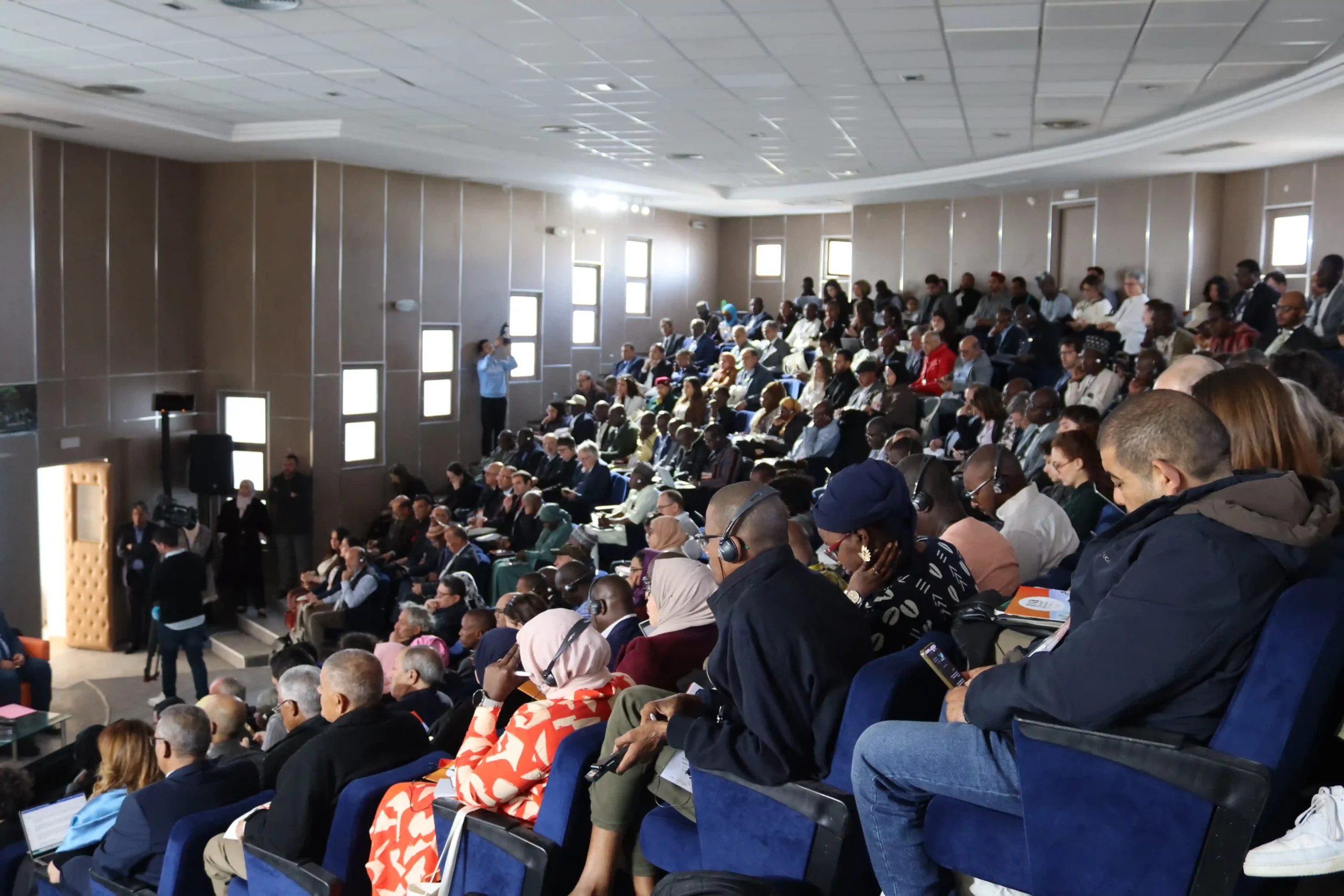
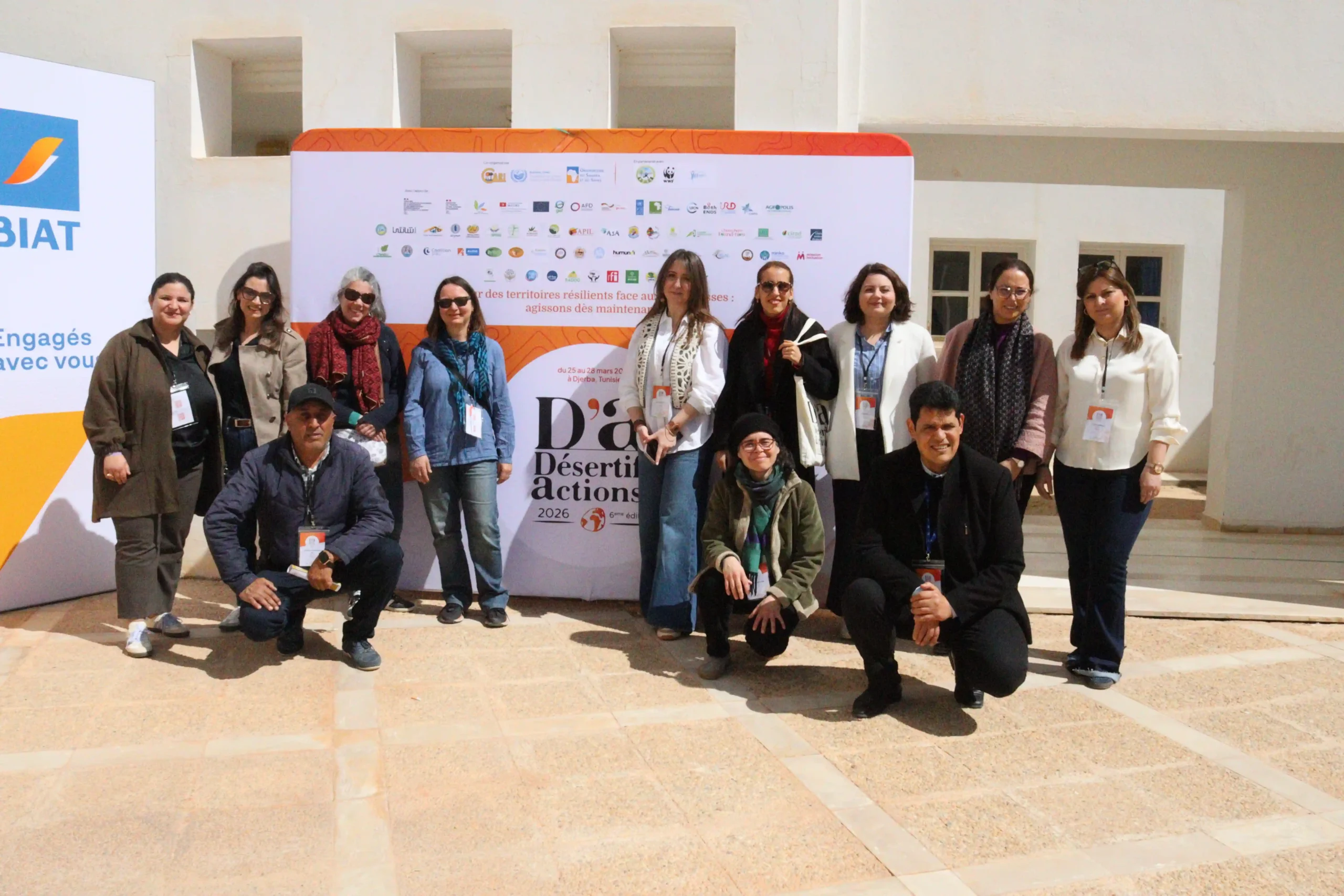
The sixth summit on desertif’action took place from March 25 to 28, 2026 in Jerba, (Tunisia), bringing 450 international participants: representatives of civil society, researchers, NGOs, associations, private and public institutions, local authorities, and farmers and co-organized by CARI, UNCCD, and OSS, in partnership with ACDD and WWF North Africa.

Over three days, participants attended plenary sessions and different group works. The objective of these three days of work was to collectively develop solutions and proposals for COP17 which will be held in Mongolia this summer.

The desertif’action themes were (1) transformation of sedentary agricultural and/or livestock systems, (2) pastoralism, (3) territorial management of water resources and (4) territorial governance.

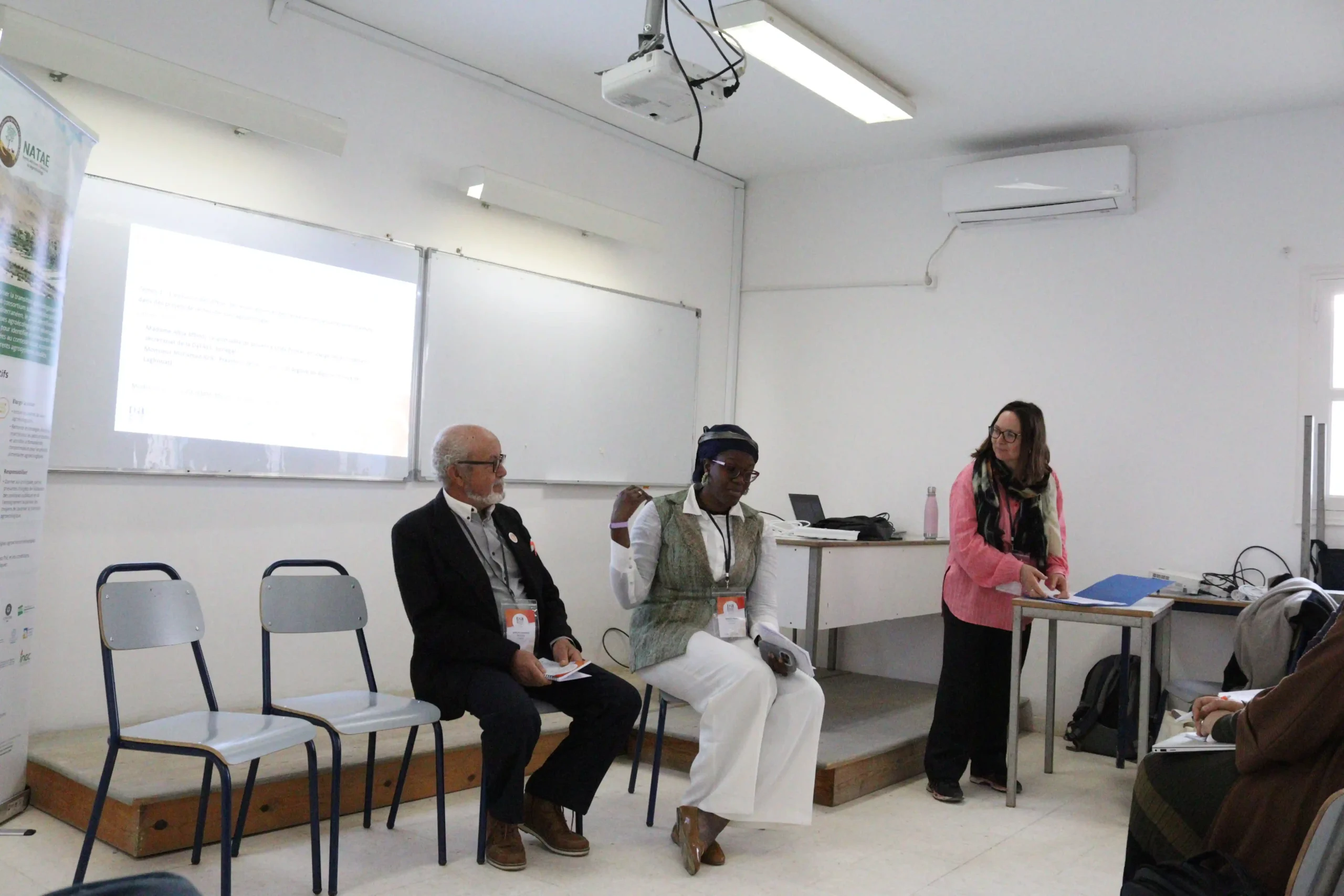
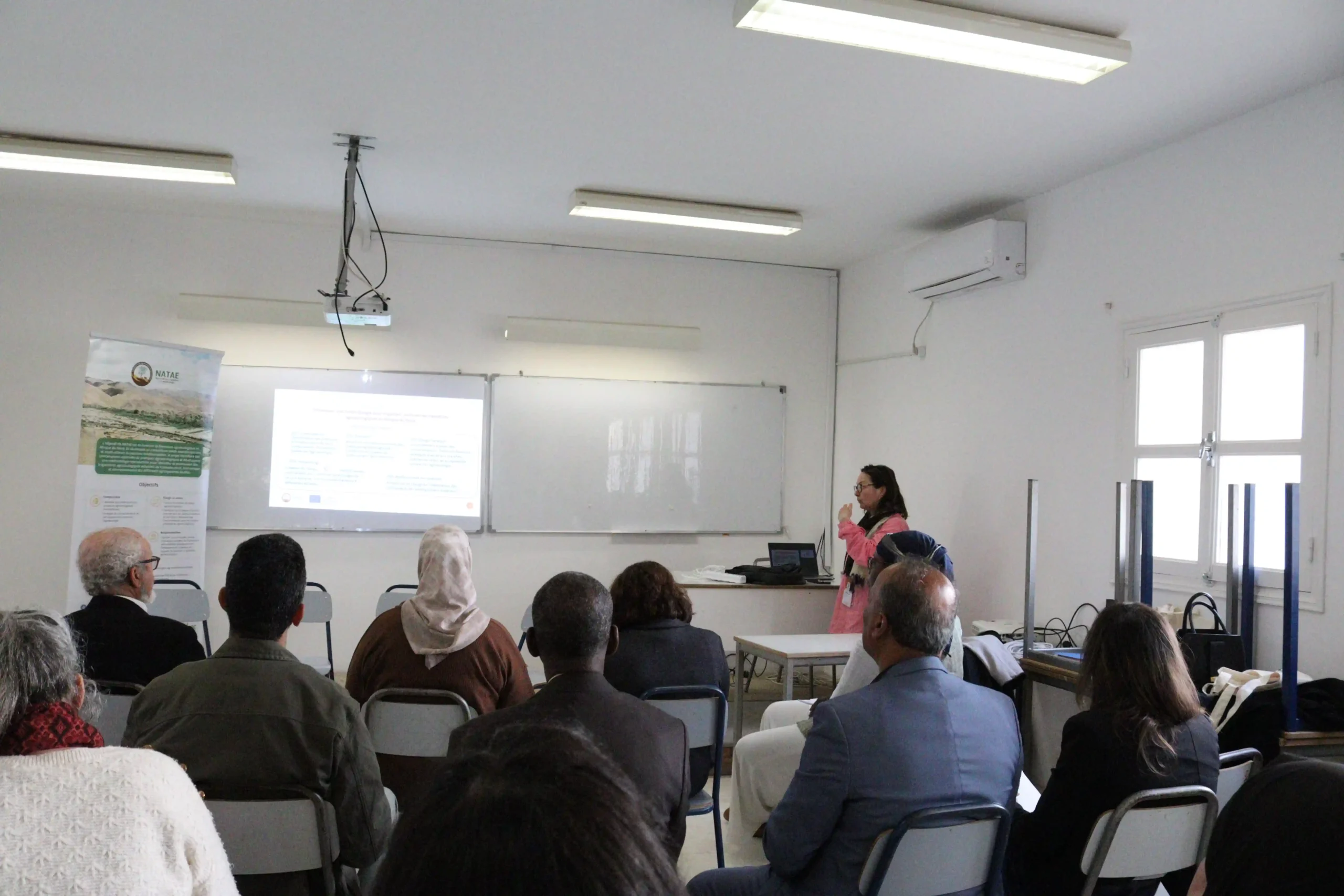
NATAE was in the heart of this 6th edition, represented by IAMM, CARI, INAT, INGC, RIAM and Al Argoub Association. It was the occasion to present the project during both a side event on March 27th and stand exhibition the last day shared with MEDAE network and the Tunisian Network for Agroecological Transition RTTA.

TRAINING SESSIONS IN MOROCCO LIVING LABS

RIAM Logo
ENA LOGO
Natae Logo

April 9th, 10th and 11th, 2026 | MOROCCO LIVING LABS

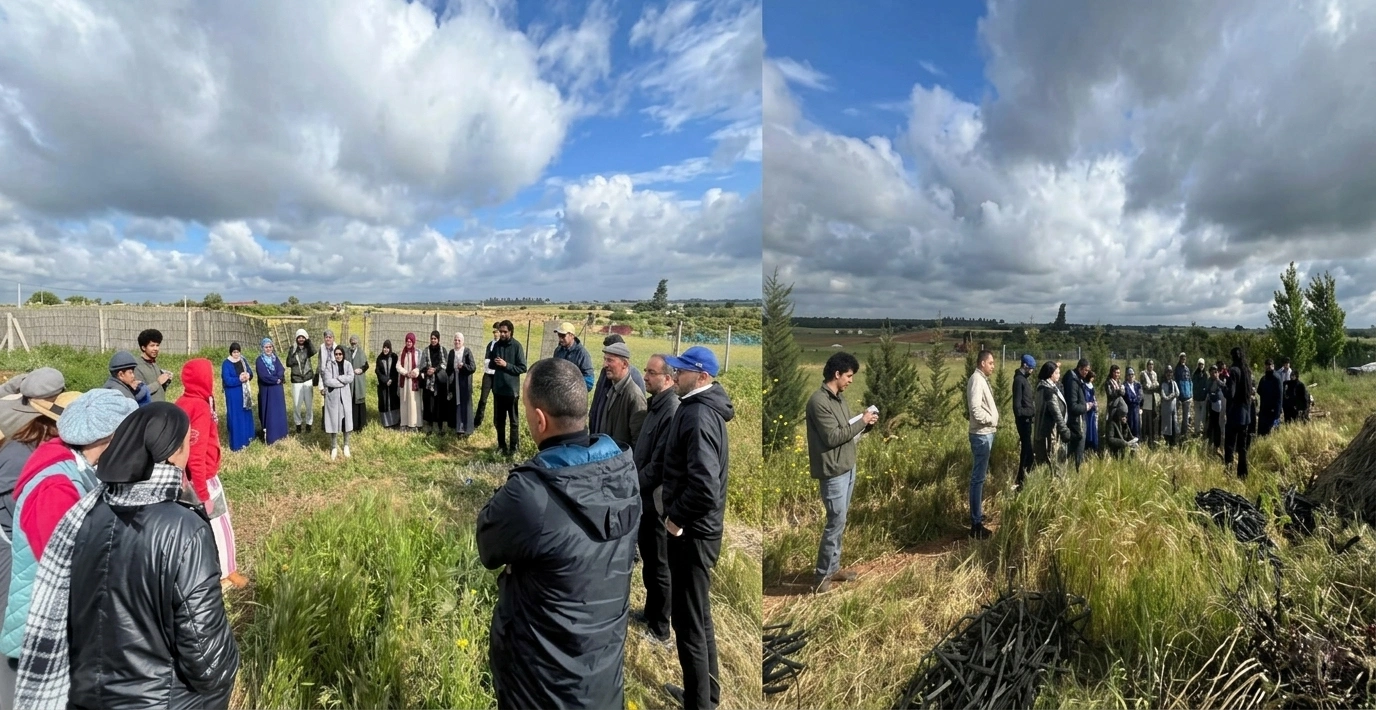
Within the framework of the NATAE (North African Transition to AgroEcology) project, a three-day training program was organized to strengthen the technical and practical capacities of farmers from the Living Labs of Ait Othmane and Skoura M’Daz.

Coordinated by the National School of Agriculture in Meknes (ENA) in collaboration with The Network of Agro-Ecological Initiatives in Morocco (RIAM), this training aimed to support the transition towards sustainable and resilient agricultural systems based on agroecological principles.

The program was designed as a progressive learning pathway, combining theoretical foundations with practical field applications adapted to the local context.

The training program covered three main thematic areas:

  • Day 1: Foundations of Agroecology

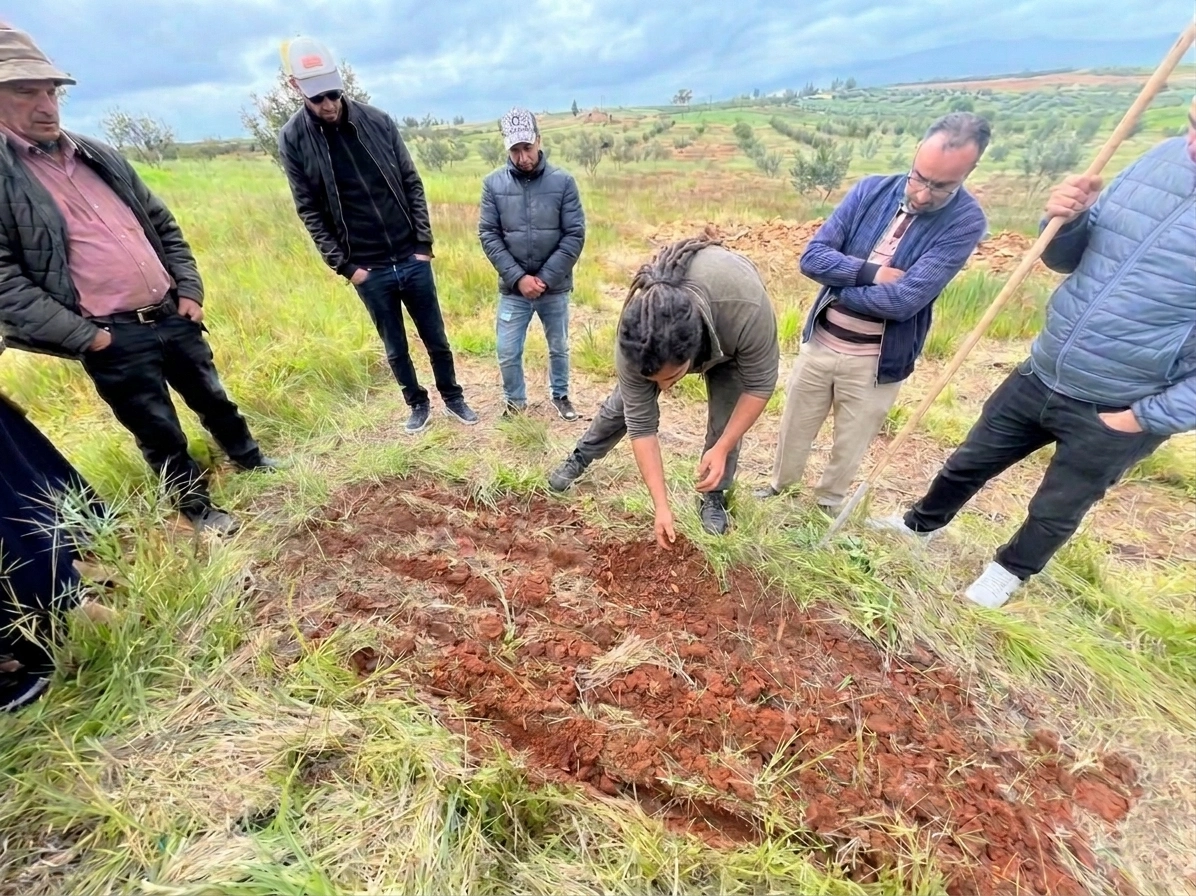
Participants were introduced to key agroecological concepts, including soil degradation, biodiversity loss, and sustainable farming challenges. A participatory diagnosis helped identify local constraints and opportunities.

  • Day 2: Soil and Water Management

This session focused on improving soil fertility and health through organic matter management and regenerative practices such as composting, mulching, crop rotation, and cover crops. Practical workshops also addressed efficient irrigation techniques and water conservation strategies.

  • Day 3: Agricultural Biodiversity and Crop Protection

Farmers explored crop diversification strategies, including crop associations and agroforestry systems, as well as ecological pest management approaches based on natural balance and the use of repellent and attractive plants.

Impact and Key Outcomes

This multi-actor training initiative contributed to:

  • Strengthening farmers’ technical skills in agroecology
  • Promoting sustainable soil and water management practices
  • Enhancing the integration of biodiversity in farming systems
  • Supporting the adoption of climate-resilient agricultural practices
  • Encouraging knowledge exchange and collective learning


Study Trip – Women of the Skoura M’Daz Living Lab

ENA LOGO
Natae Logo

March 26–28, 2026 | MOROCCO LIVING LABS

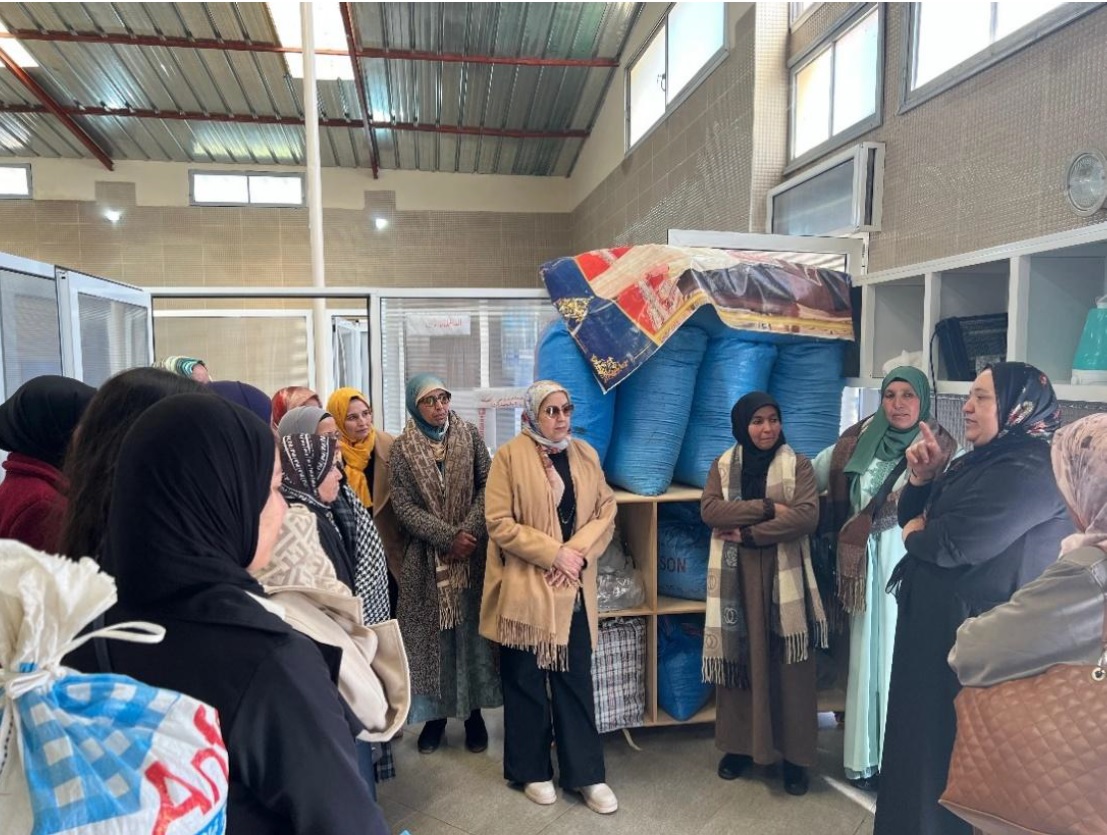
Within the framework of the NATAE (North African Transition to AgroEcology) project, a three-day study tour was organized for women farmers from the Skoura M’Daz Living Lab, the National School of Agriculture of Meknes (ENA), in collaboration with Atlas Association for Agroecology.
This immersive journey, held from April 26 to 28, 2026, followed a learning pathway across Ifrane, Meknes, and Rabat, combining field visits, institutional exchange, and peer-to-peer learning experiences.

Authored by Valérie Noël with photography by Martin Demay, this work is an invitation to discover the men and women practicing agroecology across North Africa. Through a blend of evocative text and striking imagery, the book explores the landscapes and agricultural practices that define the region’s sustainable future.

This project was made possible with the support of our partners: INAT, El Argoub, ENAM, and GRDR.

Objective of the Study Tour

The study tour aimed to strengthen the capacities of rural women farmers by exposing them to successful agroecological initiatives, cooperative models, and institutional support systems. It focused on promoting:

  • Agroecological practices
  • Women’s empowerment
  • Sustainable agricultural entrepreneurship
  • Knowledge exchange and networking

A Progressive Learning Journey

The program was designed as a step-by-step experiential learning process, allowing participants to explore the agroecological transition from production to commercialization.

Key Activities

  • Visit to a Women’s Cooperative – Ifrane

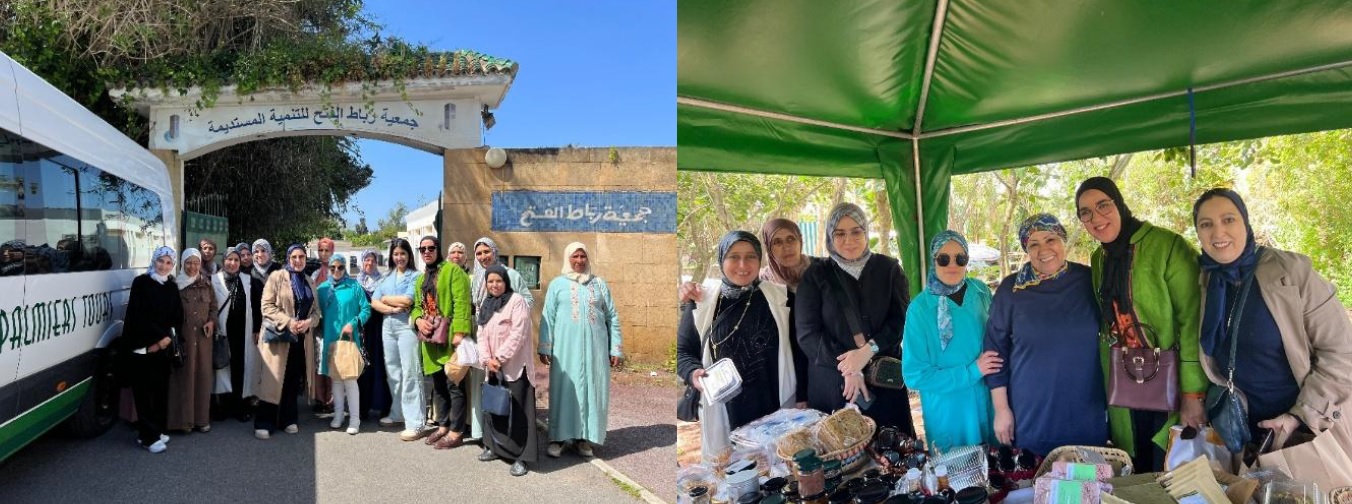
Participants discovered a successful cooperative specializing in the production and transformation of aromatic and medicinal plants. The visit highlighted certification processes, value addition, and market strategies.

  • Living Lab Experience – Meknes

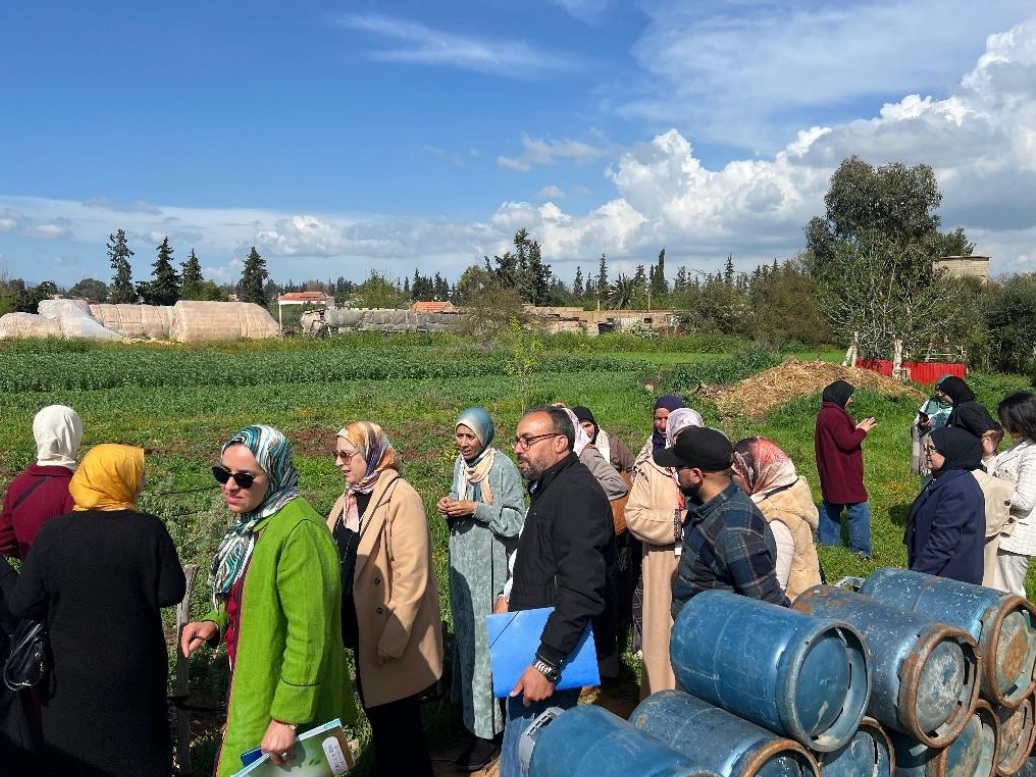
At the Aït Othmane Living Lab, women engaged with real-field agroecological practices such as crop rotation, composting, irrigation teschniques, and diversification systems.

  • Institutional Exchange – FAO Morocco, Rabat

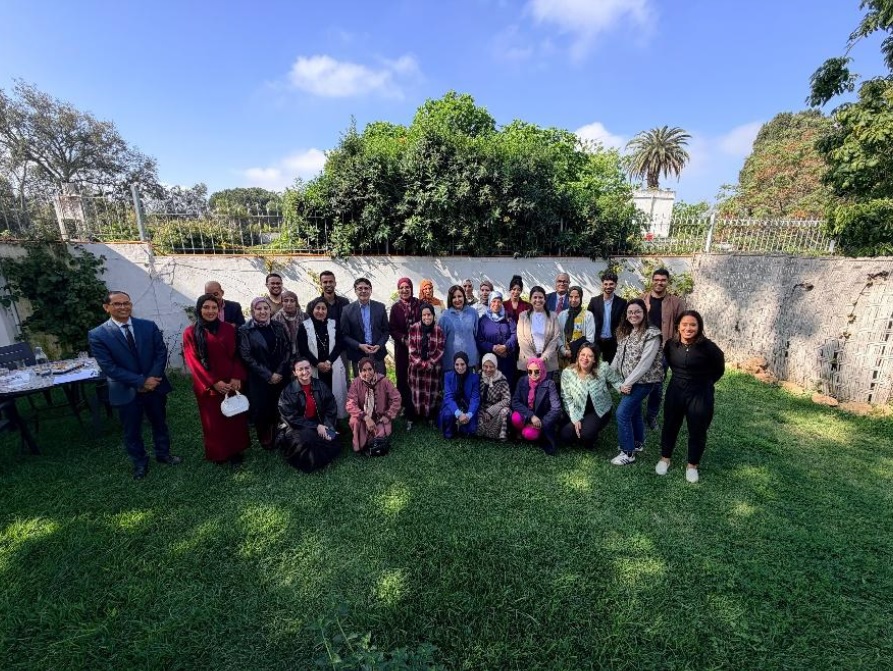
A meeting with FAO representatives provided insights into national strategies supporting sustainable agriculture, women empowerment, and climate resilience.

  • Visit to Souk El Fellah – Rabat

The tour concluded with a visit to a solidarity-based agricultural market, showcasing short supply chains and direct producer-consumer relationships.