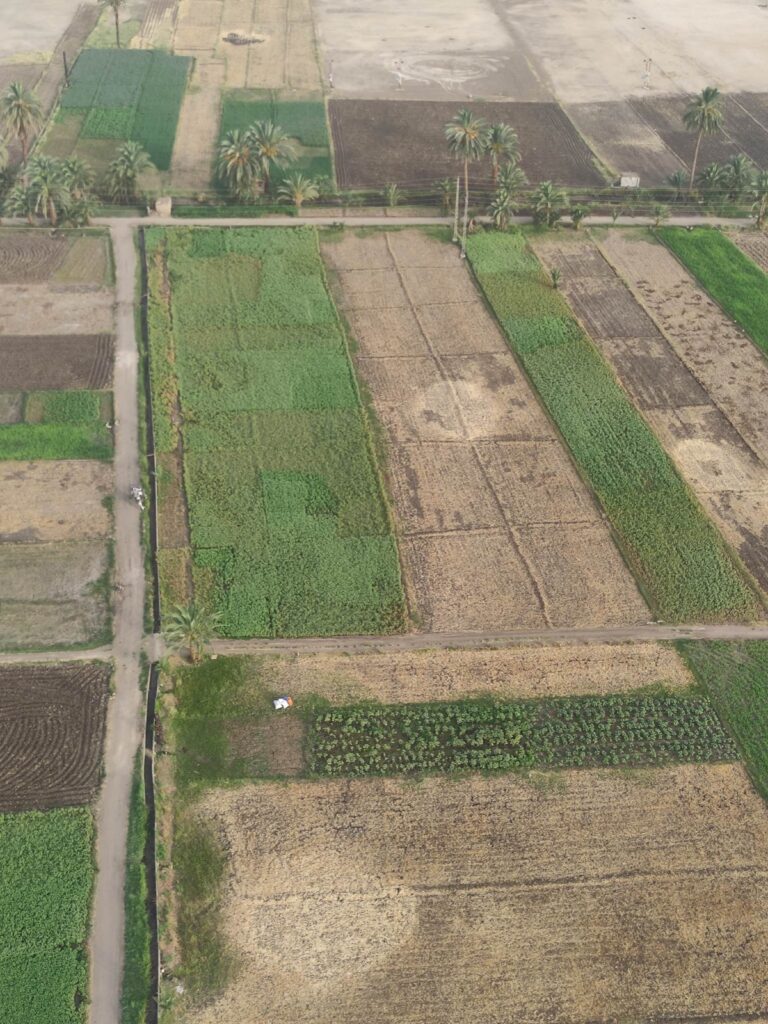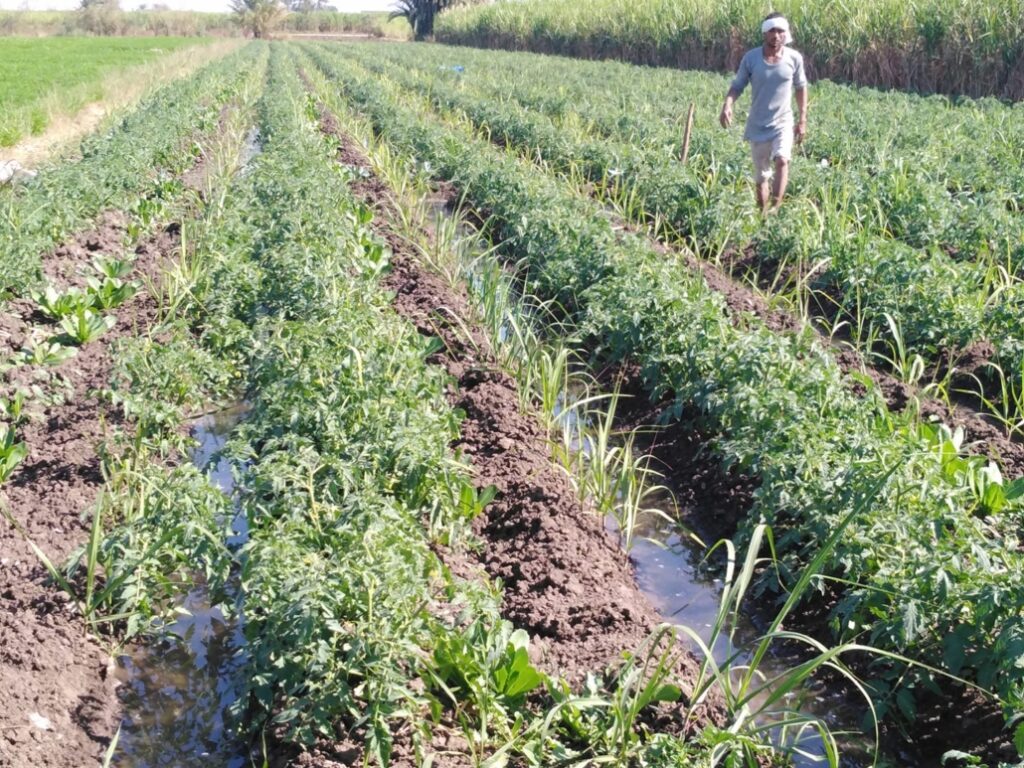

On the 30th of September, the El-Boghdady Living Lab in Luxor, Egypt, organized its inaugural event, bringing together a group of 20 enthusiastic participants. This event united a diverse array of stakeholders, with 15 farmers, representatives from the University of Aswan, the Governorate of Upper Egypt, and two Non-Governmental Organizations (NGOs). Here, the farmers are cultivating mostly sugarcane, cereals for self-consumption and fodder for animal feed.
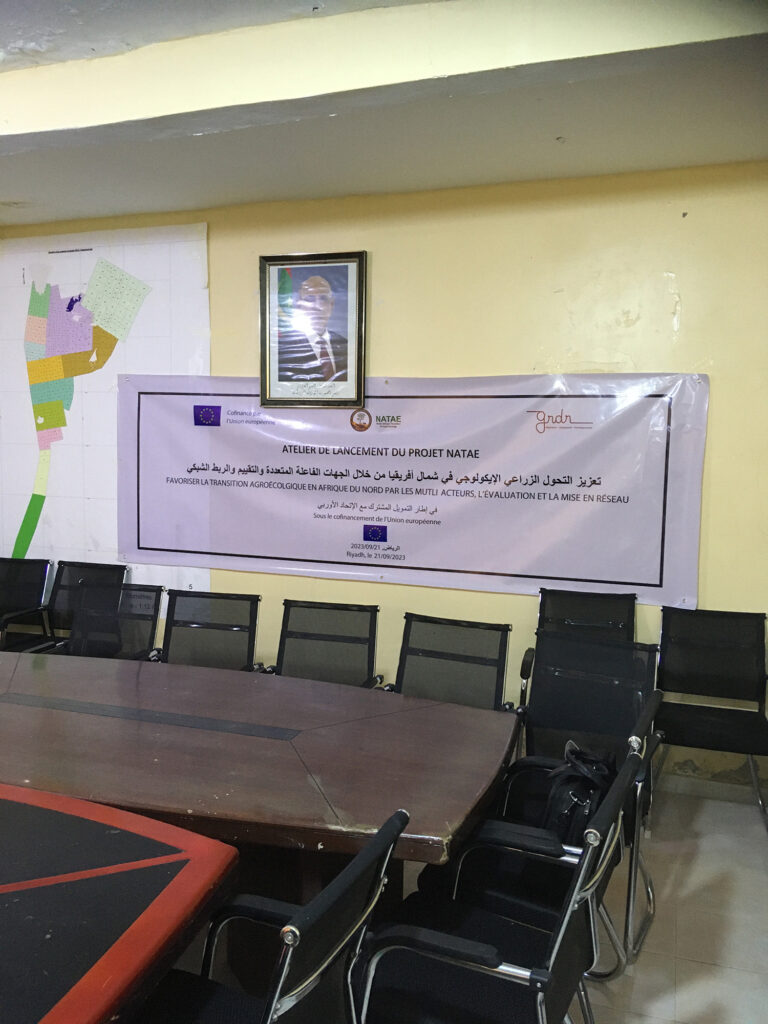
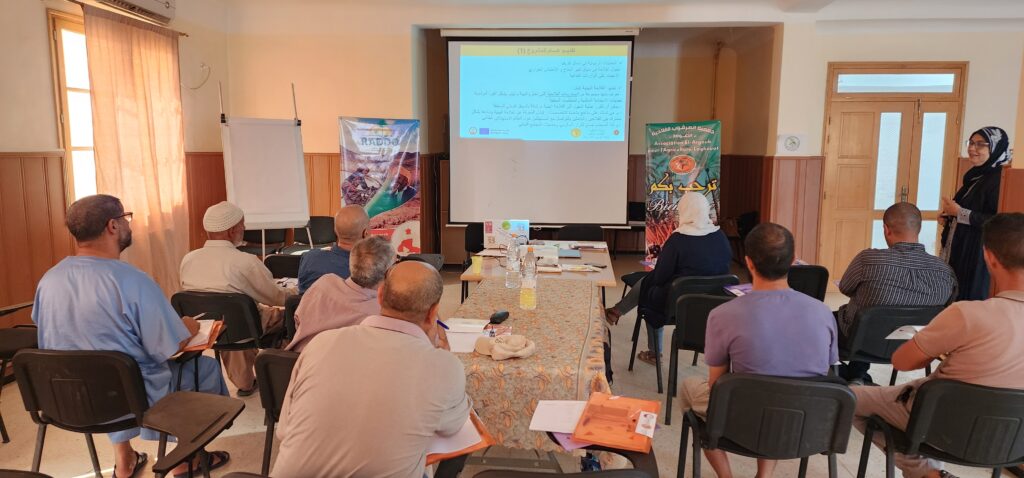
The event commenced with opening remarks delivered by Othman Elsheikh, a representative from the Egyptian Association for Sustainable Development. He address set the stage for discussions and underscored the significance of sustainable agriculture in the region. Subsequently, a briefing on the NATAE-project was delivered, accompanied by the introduction of the representative board members. This board is entrusted with the responsibility of facilitating discussions and making crucial decisions concerning agroecology within the broader context of the food system. At the farm level, farmers will play a pivotal role in influencing the selection and testing of agroecological practices, ensuring their active involvement and voice in shaping these practices.
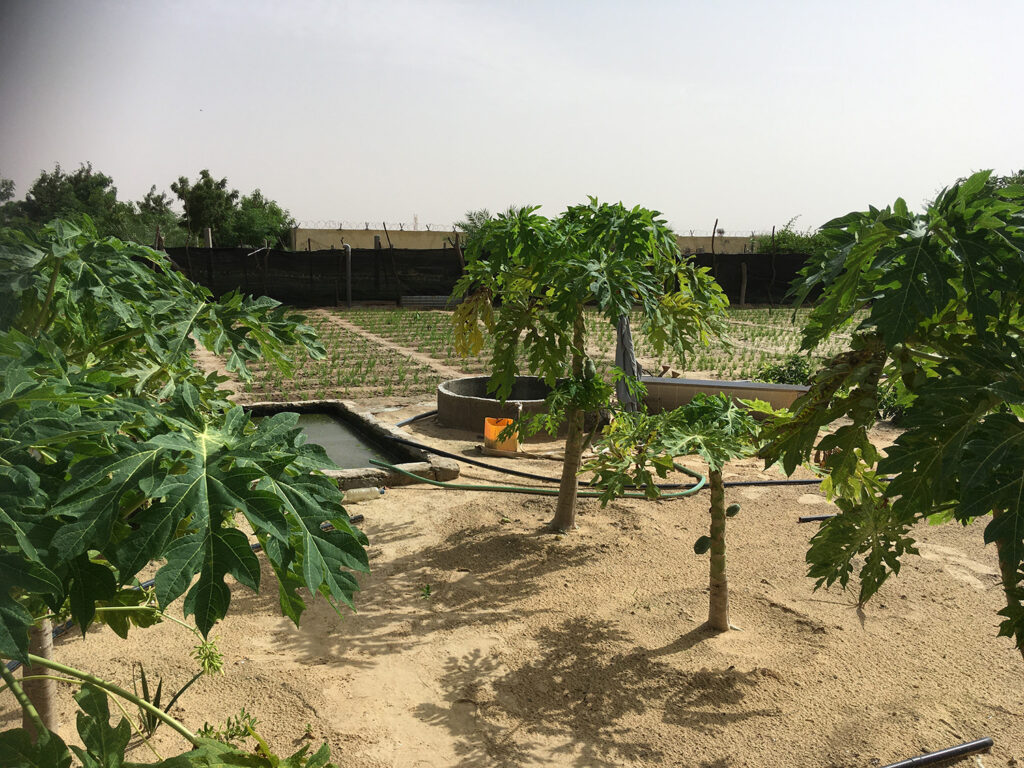
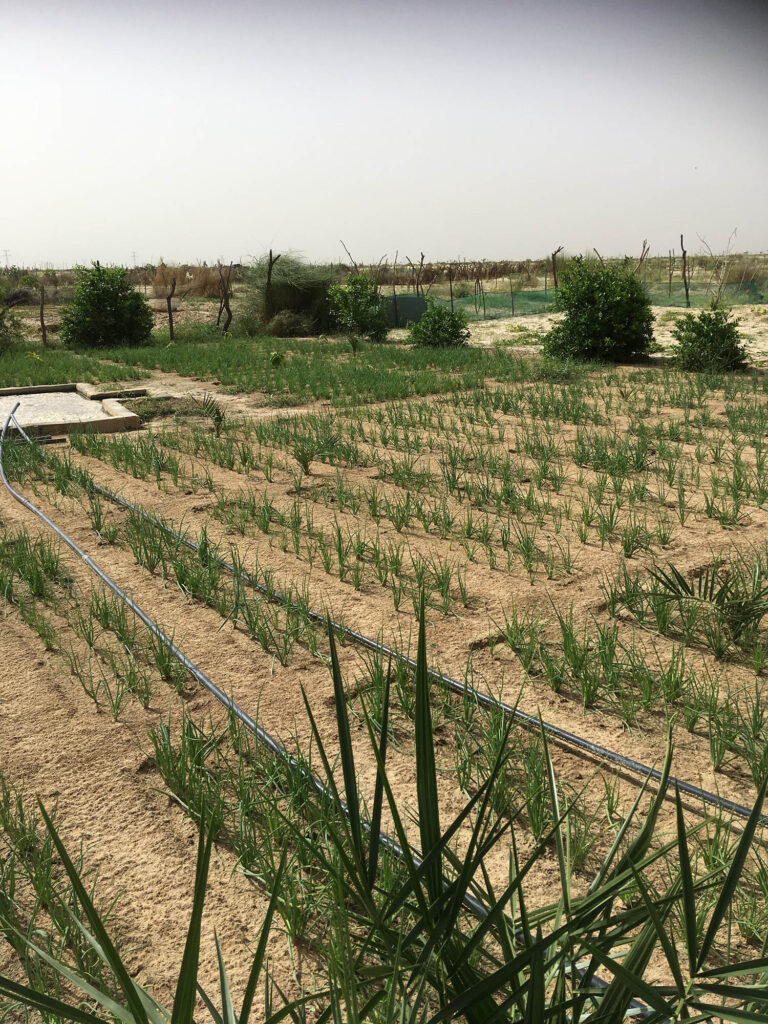
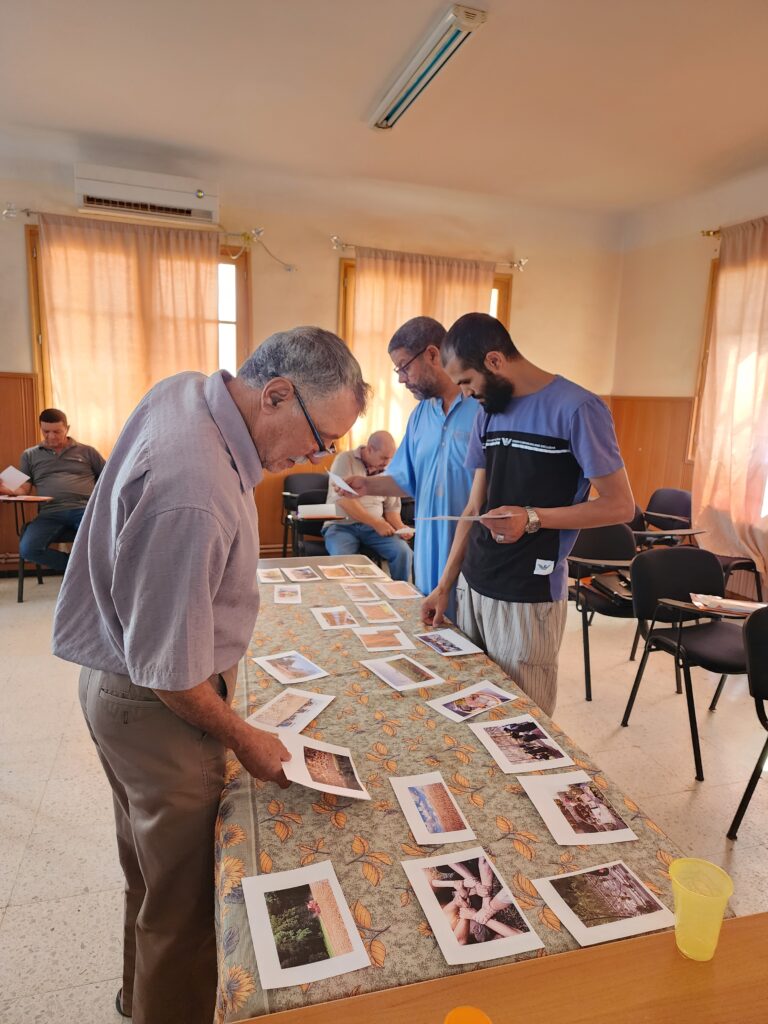
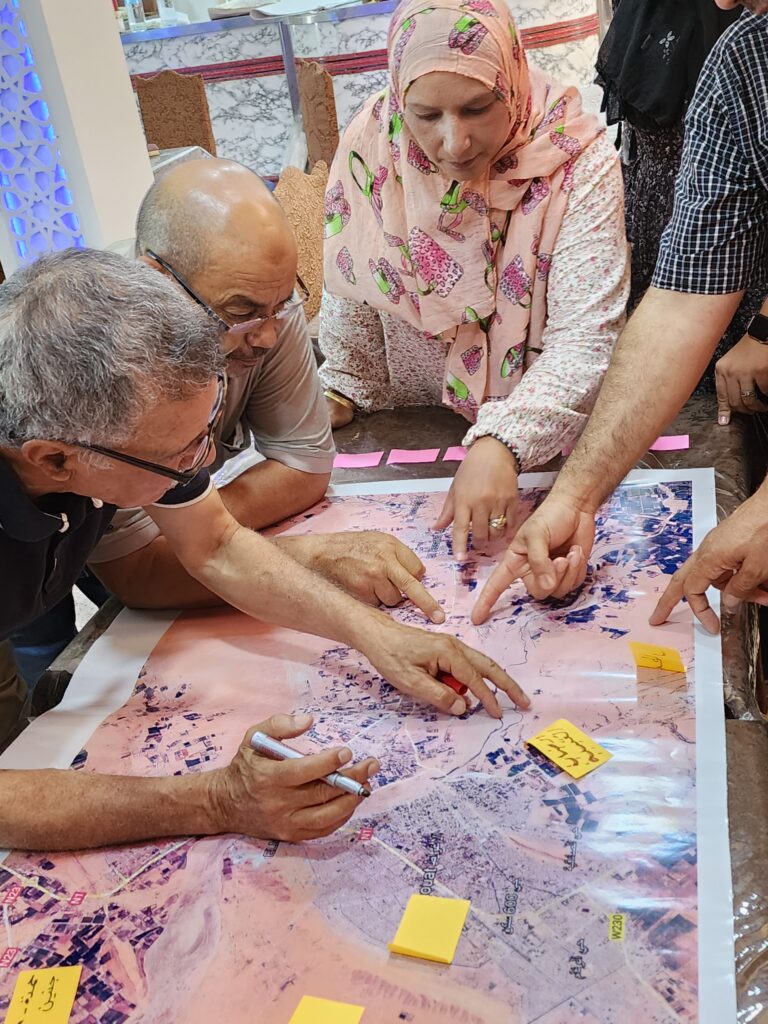
During this gathering, the primary focus was on discussing two key value chains: cereals for self-consumption and sugarcane sold directly to the state. These value chains hold great importance for the local agricultural economy and sustainability endeavours. Then, a visit to the to the farmers’ fields were performed, where valuable observations and discussions were emerged around the main issues they are facing, such as water shortage, low profitability, and soil salinity. Moreover, participants actively identified and discussed a range of agroecological practices essential for promoting sustainability in the El-Boghdady region. These practices encompass long crop rotations, soil moisture conservation techniques, and on-farm water storage and are pivotal in addressing the distinct agricultural and environmental challenges specific to the area. Thus, more discussions are foreseen in which researchers and local actors meet and exchange knowledge.
The involvement of various stakeholders, including farmers, academic institutions, government representatives, and NGOs, reflects a collaborative approach to addressing agricultural and sustainability issues in the Luxor region. This event likely marked the inception of a promising initiative poised to bring about positive changes in Luxor’s agricultural landscape.